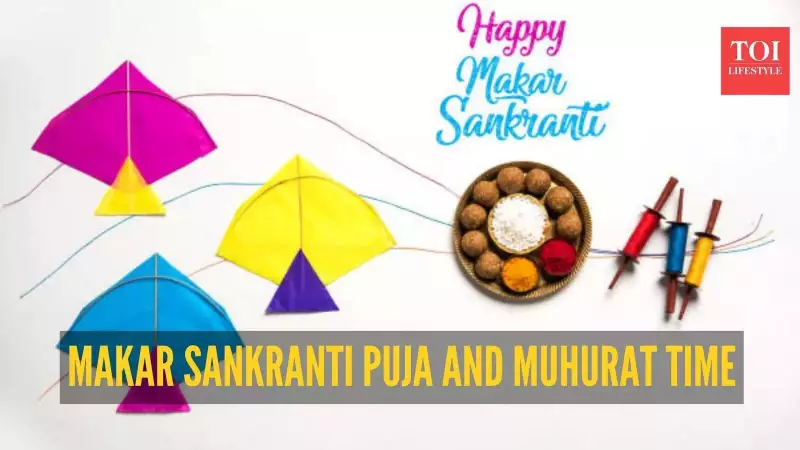
Makar Sankranti 2026: Welcoming the Sun's Journey Northward
Makar Sankranti arrives like a warm embrace after the chill of winter. This festival celebrates the Sun's movement into the zodiac sign of Capricorn, known as Makara. From this point forward, the days gradually grow longer and brighter. Unlike many Indian festivals that follow the lunar calendar, Sankranti consistently occurs around mid-January each year.
In 2026, Makar Sankranti will be observed on Wednesday, January 14. The precise astronomical moment when the Sun enters Capricorn will happen in the afternoon. For countless people across India, this day represents much more than an astrological event. It embodies the joy of kite flying, the sweetness of traditional treats, gratitude for nature's bounty, family reunions, and that uplifting sensation of life renewing itself.
Why Makar Sankranti Holds Deep Meaning
At its core, Sankranti symbolizes transformation. It encourages releasing the old and embracing the new. The festival carries layered significance for different communities.

A Solar Milestone: The Sun's transition into Makara is considered highly auspicious. As daylight hours increase, the festival metaphorically celebrates light triumphing over darkness. Nature itself seems to turn a fresh page.
A Harvest Celebration: Across the Indian countryside, fields brim with winter crops. Farmers rejoice over the completed harvest. While the festival bears various regional names—Pongal in Tamil Nadu, Uttarayan in Gujarat, Maghi in Punjab, Magh Bihu in Assam—the underlying emotion remains universal gratitude.
A Spiritual Reset: Ancient texts regard the Uttarayan period as particularly sacred. Performing prayers, charitable acts, fasting, and ritual bathing on this day is believed to yield profound spiritual merits.
Makar Sankranti 2026: Date and Auspicious Timings
There is often annual confusion about whether Sankranti falls on January 14 or 15. For 2026, the widely accepted date for observances is January 14, as the Sun enters Capricorn that afternoon.
Important timings for rituals include:
- Makar Sankranti Moment: Approximately 3:13 PM
- Punya Kaal: 3:13 PM to 5:45 PM
- Maha Punya Kaal: 3:13 PM to 4:58 PM
Conducting puja, charity, or holy baths during these windows is thought to be especially potent.
Traditional Observances and Rituals
Many devotees prefer to begin their day early, often before sunrise.
Holy Bath (Snan): Some pilgrims travel to sacred rivers like the Ganga, Yamuna, or Godavari. At home, people frequently add sesame seeds to their bathing water. This act symbolizes washing away past burdens and starting anew with purity.
The Central Puja: Honoring the Sun God
After bathing and wearing fresh clothes—typically in yellow or other bright hues—people commence their prayers. The Surya Puja involves several simple steps:
- Face the rising or midday Sun
- Offer water from a copper vessel
- Chant mantras such as "Om Suryaya Namah"
- Present red flowers, rice, and sesame seeds
Lighting a small lamp with ghee or sesame oil enhances the festive ambiance, filling homes with warmth.
The Essence of Giving
Charity forms the soul of Makar Sankranti. Common donations include:
- Sesame seeds and jaggery
- Grains and food items
- Blankets and winter clothing
In 2026, Sankranti coincides closely with Shattila Ekadashi, making donations of sesame-based products particularly meaningful.
Festive Delicacies That Sweeten the Day
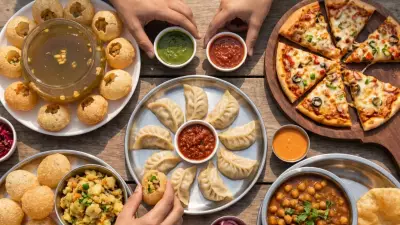
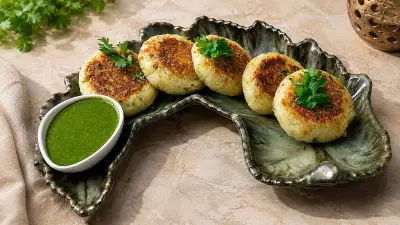
No Indian celebration is complete without special foods. Sankranti favorites delight taste buds across regions.
People relish treats like tilgul (sesame and jaggery sweets), khichdi in Uttar Pradesh and Bihar, and sweet Pongal rice in Tamil Nadu prepared with newly harvested grains. Sharing these dishes conveys a heartfelt wish: "May your life be as sweet as this offering."
Regional Celebrations Across India
The festival wears diverse cultural garments while spreading uniform joy.
Gujarat and Rajasthan: Skies explode with colorful kites as laughter echoes from rooftops during Uttarayan.

Punjab and Haryana: Families gather for hearty meals and Maghi festivities.
Assam: Communities light bonfires and feast together during Magh Bihu.
Each state adds its unique flavor, yet the core spirit of renewal remains constant.
Simple Ways to Celebrate Makar Sankranti 2026
If you plan to observe the festival, consider these accessible ideas:
- Perform rituals during the Punya Kaal period
- Wake up early, even for a brief moment of reflection
- Donate something—any gesture, however small, counts
- Prepare or share traditional foods with family or neighbors
Timeless Lessons from Makar Sankranti
This festival gently imparts several profound truths. It reminds us that every dark phase eventually yields to light. Gratitude enriches our lives, while sharing strengthens human connections. Change is not frightening but a natural part of existence.
Whether you celebrate with elaborate puja, a plate of tilgul, a kite string in hand, or simply a warm message to loved ones, Makar Sankranti 2026 offers a beautiful pause. It is a moment to acknowledge and welcome new beginnings with an open heart.