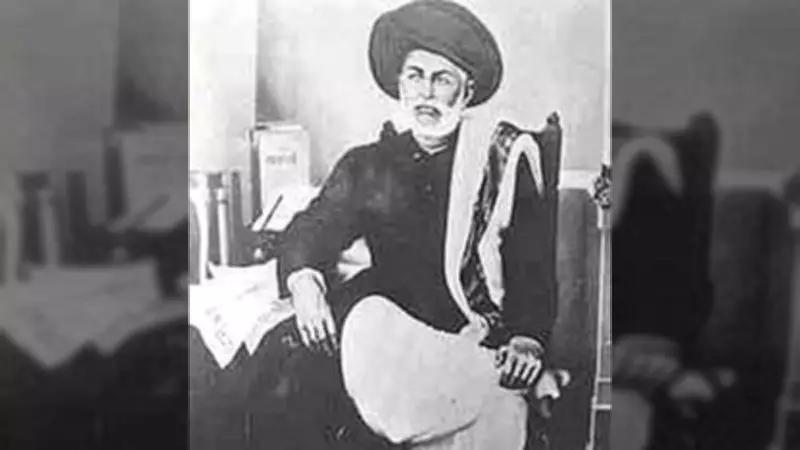
Mahatma Jyotirao Phule: A Light That Still Shows India the Way
Mahatma Jyotirao Phule stands as one of India's most influential social reformers, whose life and work continue to resonate deeply in contemporary society. His journey was not merely about advocacy but embodied a profound moral courage, relentless intellectual inquiry, and an unshakeable dedication to the greater social good. In an era marked by rigid caste hierarchies and widespread discrimination, Phule emerged as a visionary leader who challenged entrenched norms and paved the way for a more equitable India.
A Life of Moral Courage and Reform
Born in 1827 in Maharashtra, Jyotirao Phule's early experiences with social injustice fueled his lifelong mission. He recognized the systemic oppression faced by marginalized communities, particularly women and lower-caste individuals, and dedicated himself to their upliftment. Phule's moral courage was evident in his bold actions, such as establishing the first school for girls in India in 1848, defying societal taboos and risking personal backlash. His work extended beyond education to include advocacy for widow remarriage, abolition of untouchability, and promotion of rational thinking over blind faith.
Restless Enquiry and Intellectual Legacy
Phule's approach was characterized by a restless enquiry into the root causes of social ills. He critically examined religious texts and traditions, arguing that they were often used to justify inequality. Through his writings, such as "Gulamgiri" (Slavery), he exposed the exploitation inherent in the caste system and called for a society based on justice and human dignity. His intellectual contributions laid the groundwork for future social movements, inspiring leaders like Dr. B.R. Ambedkar and influencing the broader discourse on rights and equality in India.

Unshakable Commitment to Social Good
At the heart of Phule's legacy is his unshakable commitment to social good, which transcended personal gain. He co-founded the Satyashodhak Samaj (Society of Truth Seekers) in 1873, an organization dedicated to promoting education, social equality, and rationalism among the oppressed. Phule's efforts were not limited to theory; he actively worked to improve the lives of farmers and laborers, advocating for their economic rights and challenging exploitative practices. His holistic vision encompassed education, economic empowerment, and social justice as interconnected pillars of reform.
Enduring Relevance in Modern India
Today, Mahatma Jyotirao Phule's principles remain highly relevant as India navigates contemporary challenges related to caste discrimination, gender inequality, and social inclusion. His emphasis on education as a tool for empowerment continues to inspire policies and initiatives aimed at bridging societal gaps. Figures like Prime Minister Narendra Modi have acknowledged Phule's contributions, highlighting his role in shaping India's progressive ethos. As the nation strives for inclusive development, Phule's life serves as a guiding light, reminding us of the power of courage, inquiry, and compassion in building a just society.
In summary, Mahatma Jyotirao Phule's legacy is a testament to the transformative impact of moral conviction and social activism. His light not only illuminated the path for his contemporaries but continues to show India the way toward a future rooted in equality and human dignity.