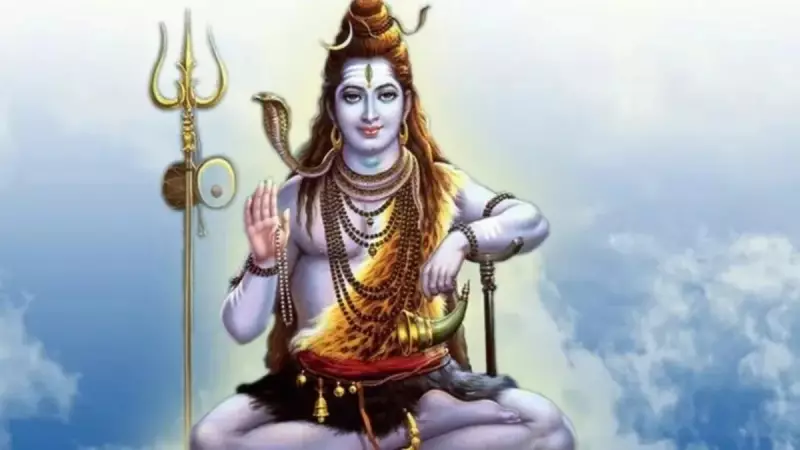
Mahashivratri 2026: Auspicious Puja Timings and Shubh Yog Unveiled for Devotees
Mahashivratri, one of the most revered festivals in Hinduism dedicated to Lord Shiva, is set to be observed with great devotion in 2026. This sacred occasion, which translates to "the great night of Shiva," holds immense spiritual significance for millions of devotees across India and beyond. As preparations begin, the key details regarding puja timings and auspicious yog have been announced, guiding followers on how to best honor this divine event.
Puja Timings for Mahashivratri 2026
The puja timings for Mahashivratri 2026 are crucial for performing rituals with precision and devotion. According to traditional Hindu calendars and astrological calculations, the festival will fall on a specific date, with the most auspicious time slots designated for various ceremonies. Devotees are advised to plan their observances around these timings to maximize spiritual benefits and align with cosmic energies.
Typically, Mahashivratri puja involves night-long vigils, fasting, and offerings to Lord Shiva. The timings often include periods for abhishekam (ritual bathing of the Shiva Linga), chanting of mantras, and meditation. In 2026, these timings will be based on the tithi (lunar day) and nakshatra (constellation), ensuring that rituals are performed during the most favorable astrological windows.

Shubh Yog and Its Significance
Shubh yog, or auspicious planetary combinations, play a vital role in enhancing the spiritual potency of Mahashivratri. In 2026, specific yogas are expected to form, creating an environment conducive to devotion, purification, and blessings from Lord Shiva. These yogas are derived from the alignment of planets and stars, and they are believed to amplify the effects of prayers and rituals performed on this night.
For instance, the presence of certain yogas might indicate heightened energy for meditation or increased chances of wishes being fulfilled. Devotees often consult astrologers or religious texts to understand how to leverage these yogas during their puja. Observing Mahashivratri during such favorable periods is said to bring peace, prosperity, and spiritual enlightenment to participants.
Rituals and Observances for Mahashivratri 2026
To fully embrace Mahashivratri 2026, devotees are encouraged to follow traditional rituals with sincerity. Key practices include:
- Fasting: Many observe a strict fast from sunrise to sunset, consuming only fruits, milk, or specific sattvic foods, while some undertake a complete fast without water.
- Night Vigil: Staying awake throughout the night, engaging in prayers, bhajans (devotional songs), and listening to stories of Lord Shiva to honor his cosmic dance.
- Abhishekam: Performing the ritual bathing of the Shiva Linga with water, milk, honey, and other sacred substances, symbolizing purification and devotion.
- Chanting Mantras: Reciting powerful mantras like "Om Namah Shivaya" to invoke blessings and connect with divine consciousness.
These observances, when aligned with the announced puja timings and shubh yog, are believed to lead to spiritual growth and the removal of obstacles. Mahashivratri is not just a festival but a profound opportunity for self-reflection and divine connection, making it a cornerstone of Hindu spirituality.
As 2026 approaches, devotees can start planning their celebrations by noting the specific dates and timings once they are officially confirmed by religious authorities. Embracing this festival with faith and adherence to traditions ensures a meaningful experience that resonates with the eternal teachings of Lord Shiva.