Magh Mela 2026: A Deep Dive into the Second Snan and Makar Sankranti Rituals
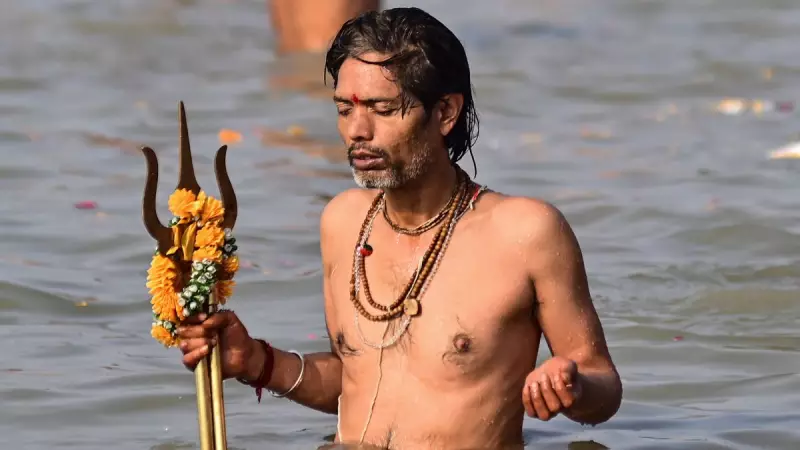
The Magh Mela in 2026 promises to be a significant spiritual event for millions of devotees. This ancient Hindu festival, held annually in Prayagraj, Uttar Pradesh, draws pilgrims from across India and beyond. They gather to perform sacred rituals and take holy dips in the confluence of the Ganga, Yamuna, and the mythical Saraswati rivers.
Key Dates and the Importance of the Second Snan
In 2026, the Magh Mela will see its second snan, or holy bath, scheduled for Makar Sankranti. This date holds immense religious value. Makar Sankranti marks the sun's transition into the Capricorn zodiac sign. It symbolizes the end of winter and the arrival of longer days.
Devotees believe that bathing during this time washes away sins. It also brings spiritual merit and blessings. The second snan is particularly auspicious. Many consider it a pivotal moment for attaining moksha, or liberation from the cycle of rebirth.

Rituals and Practices During the Mela
Pilgrims engage in various rituals during the Magh Mela. These practices are deeply rooted in Hindu traditions.
- Holy Dip (Snan): Taking a bath at the Sangam, the confluence point, is the central ritual. Devotees perform this at dawn on auspicious days like Makar Sankranti.
- Offerings (Dan-Punya): Many give donations, food, and clothes to the poor and priests. This act of charity is believed to enhance spiritual gains.
- Prayers and Chanting: Reciting mantras, especially the Gayatri Mantra, and offering prayers to the sun god Surya are common.
- Fasting (Vrat): Some observers fast on specific days, consuming only sattvic food to purify the body and mind.
These rituals aim to foster devotion, self-discipline, and a connection with the divine. They transform the mela into a vibrant tapestry of faith and community.
Historical and Cultural Significance
The Magh Mela has a rich history dating back centuries. It is mentioned in ancient Hindu scriptures like the Puranas. The festival is often seen as a smaller version of the Kumbh Mela, which occurs every twelve years.
In 2026, the mela will not only serve as a religious gathering but also as a cultural hub. It showcases traditional music, dance, and spiritual discourses. This blend of piety and culture makes it a unique experience for attendees.
Local authorities in Prayagraj typically make extensive arrangements. They ensure safety, sanitation, and accommodation for the large influx of pilgrims. These efforts help maintain the sanctity and smooth conduct of the event.
Why the 2026 Mela Matters
The Magh Mela in 2026 holds special relevance. It continues a timeless tradition in a modern context. For many, it offers a chance to reconnect with spiritual roots and seek inner peace.
As the world evolves, such festivals remind people of enduring values. They emphasize harmony, charity, and reverence for nature. The second snan on Makar Sankranti will likely see massive participation. Devotees will gather with hope and devotion, making it a memorable spiritual journey.
In summary, the Magh Mela 2026 is more than just a festival. It is a profound expression of faith. With its key dates, rituals, and deep significance, it stands as a beacon of Hindu spirituality. Mark your calendars and prepare for a transformative experience at the sacred Sangam.