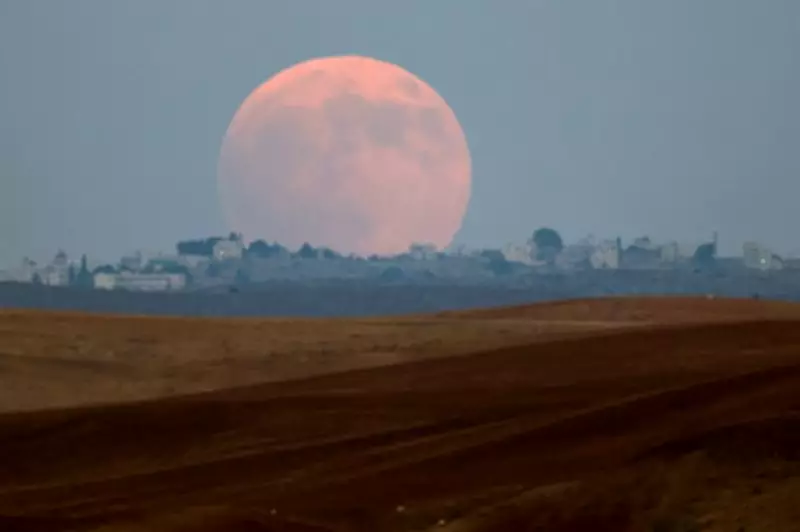
Lunar Eclipse Traditions: Understanding Temple Restrictions and Safety Measures
During a lunar eclipse, a celestial event that captivates skywatchers, many Hindu temples across India implement specific restrictions on darshans, or viewings of deities, based on long-standing religious and cultural beliefs. This practice is rooted in ancient scriptures and traditions that consider the eclipse period as inauspicious, leading to temporary closures or limited access to sanctums.
Why Temples Restrict Darshans During an Eclipse
According to Hindu mythology, eclipses are often associated with negative energies or the influence of celestial demons, such as Rahu and Ketu, who are believed to swallow the moon during a lunar eclipse. To prevent the absorption of these malefic effects, temples suspend regular rituals and darshans. The belief holds that the divine energy within the temple idols might become contaminated, so priests perform purification ceremonies, known as shuddhi, after the eclipse ends to restore sanctity.
This precautionary measure is not just symbolic; it aligns with the idea of maintaining spiritual purity during astrologically sensitive times. Devotees are typically advised to engage in prayers, chanting, or meditation at home instead, fostering a personal connection with the divine without physical temple visits.

Advice for Pregnant Women: Staying Home for Safety
Pregnant women are commonly advised to stay indoors during a lunar eclipse, a recommendation that blends cultural superstitions with practical health considerations. From a traditional perspective, it is believed that the eclipse's rays could harm the fetus, leading to birth defects or complications, though there is no scientific evidence to support this claim.
However, this advice also serves a practical purpose by encouraging rest and reducing stress during a potentially unsettling event. In modern contexts, healthcare professionals may support this as a way to avoid unnecessary exposure to late-night activities or crowded places, ensuring the well-being of both mother and child. It reflects a holistic approach that respects cultural norms while prioritizing safety.
Broader Cultural and Scientific Insights
Lunar eclipses have been observed for centuries, with rituals evolving to address both spiritual and societal concerns. While science explains eclipses as natural astronomical occurrences caused by the Earth's shadow blocking sunlight from reaching the moon, cultural practices continue to play a significant role in how communities respond.
These traditions highlight the intersection of faith and daily life, offering a glimpse into India's rich heritage. Whether one follows them strictly or views them as symbolic, they underscore the importance of mindfulness and precaution during celestial events.