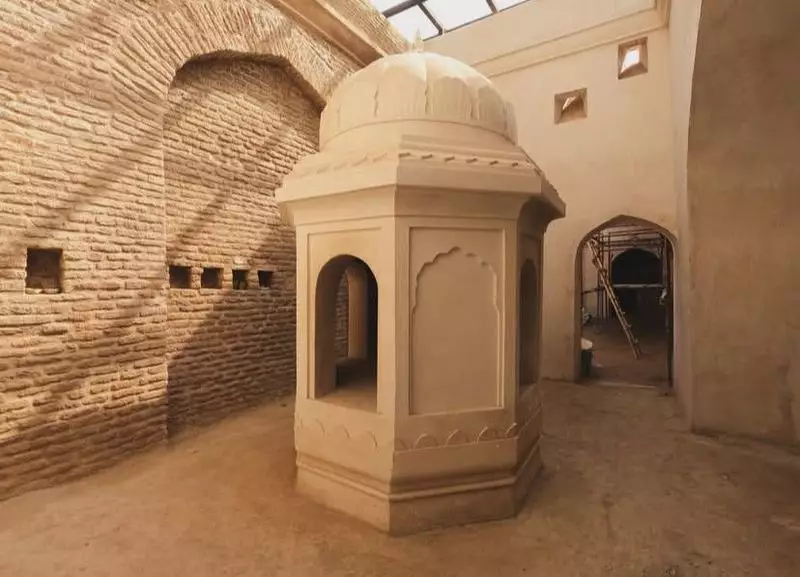
Historic Temple Dedicated to Lord Ram's Son Luv Restored and Opens to Public in Lahore
In a notable development for cultural and religious heritage, a historic Hindu temple dedicated to Luv, the son of Lord Ram, has been meticulously restored and officially opened to the public in Lahore, Pakistan. This restoration project represents a significant effort to preserve and celebrate the diverse religious history of the region, drawing attention from both local communities and international observers.
Details of the Temple Restoration
The temple, which had fallen into a state of disrepair over the years, has undergone extensive renovations to restore its original architectural and spiritual significance. Key aspects of the restoration include:
- Structural Repairs: The temple's foundation and walls were reinforced to ensure stability and safety for visitors.
- Artistic Restoration: Intricate carvings and murals depicting scenes from Hindu mythology, particularly related to Lord Ram and his family, were carefully cleaned and restored.
- Modern Amenities: Facilities such as lighting, sanitation, and accessibility features were added to accommodate worshippers and tourists.
This project was undertaken by local authorities in collaboration with heritage conservation groups, highlighting a commitment to safeguarding Pakistan's multicultural past.

Cultural and Historical Significance
The temple is dedicated to Luv, one of the twin sons of Lord Ram and Goddess Sita, who hold a revered place in Hindu tradition. According to legend, Luv and his brother Kush were born and raised in the forest, and their stories are integral to the epic Ramayana. The presence of this temple in Lahore underscores the historical connections between the Indian subcontinent's shared religious heritage, predating modern political boundaries.
Lahore, a city with a rich tapestry of history, has been home to various religious communities over centuries. The restoration of this temple adds to the city's cultural landscape, which includes sites from Islamic, Sikh, and Hindu traditions. It serves as a reminder of the region's pluralistic past and the importance of preserving such landmarks for future generations.
Public Response and Future Implications
The opening of the temple has been met with positive responses from the Hindu community in Pakistan and beyond, as well as from cultural enthusiasts. It is expected to attract pilgrims and tourists, potentially boosting local tourism and fostering interfaith dialogue. However, some observers note the challenges in maintaining such sites in a region with complex socio-political dynamics.
Looking ahead, this restoration could set a precedent for similar projects in Pakistan and other parts of South Asia, encouraging efforts to protect and restore minority religious sites. It also aligns with global trends in heritage conservation, emphasizing the value of cultural diversity in building inclusive societies.
In summary, the restoration and opening of the Luv temple in Lahore mark a meaningful step in honoring religious heritage and promoting cultural harmony. As visitors begin to explore this historic site, it stands as a testament to the enduring legacy of shared histories across borders.