For fourteen long years, Lord Rama, his devoted wife Sita, and loyal brother Lakshmana exchanged the unparalleled luxury of Ayodhya's palace for the untamed wilderness. This period of vanvas, or forest exile, stands as a profound testament to resilience, simplicity, and harmony with nature in the Hindu epic Ramayana. Stripped of royal comforts, their daily life became a lesson in survival and contentment drawn directly from the earth.
The Forest Feast: A Natural Diet of Survival
Departing Ayodhya without servants or a royal kitchen meant the trio relied entirely on nature's bounty. Their diet was simple, wholesome, and foraged from their surroundings. It provided the necessary energy for their constant movement and life in the wild.
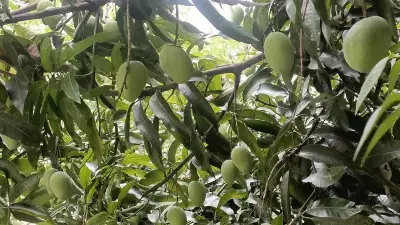
Their meals primarily consisted of wild fruits abundant in the Indian jungles. These included sweet mangoes, various berries, bananas, and jamun. For sustained energy during their long treks, they consumed nuts and seeds gathered from the forest floor.

They also foraged for wild vegetables and leafy greens. Roots and tubers, such as varieties of wild sweet potato, were a substantial part of their diet. Hydration came from the pristine sources of fresh river water, drunk cool and straight from flowing streams. On occasion, compassionate sages and other forest dwellers would share their simple meals with the exiled royals.
Shelter Under the Stars: Homes Made of Leaves and Twigs
Without palaces or even permanent shelters, their sleeping arrangements were a direct embrace of the elements. The most common roof over their heads was the vast, open sky, with a blanket of sparkling stars providing a celestial canopy.
For more structured shelter, the resourceful Lakshmana built small huts known as 'parnasalas'. These were constructed using readily available materials like branches, twigs, and broad leaves. They lived in several forest locations during their exile, including Chitrakoot and Panchavati.
Their beds were far from royal mattresses. They made soft, warm bedding by weaving together dried grass and leaves into mats. The forest itself offered a unique sense of security, with gentle animals like deer, birds, monkeys, and squirrels often around them. Falling asleep to the symphony of crickets and the gentle flow of a nearby river was their nightly nature's lullaby.
Enduring Lessons from the Exile
Despite the immense hardship and lack of material comfort, the trio found strength and happiness in their unity. They supported each other, placed their trust in nature's provision, and displayed unwavering courage in the face of adversity.
This epochal journey imparted deep lessons in patience, bravery, and kindness. It underscores a timeless truth: true wealth does not lie in expensive possessions. The biggest treasures are family, courage, friendship, and a deep connection with nature. Their story continues to inspire, reminding us that resilience and contentment can flourish even in the most challenging circumstances.