Kolkata's English Poetry Scene Transforms Over Decades
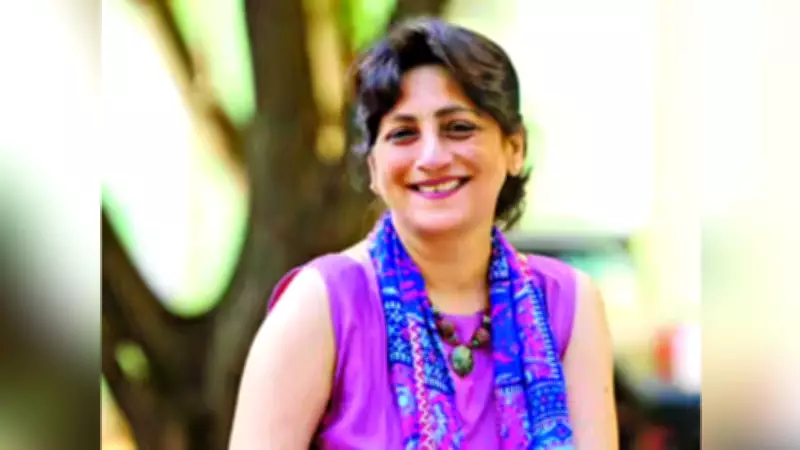
Kolkata has firmly established itself on India's English poetry map, according to acclaimed poet, translator, and nonfiction essayist Sharmila Ray. Having observed the city's literary landscape evolve across three decades, Ray has witnessed English poetry transition from a marginal, uncertain endeavor into a visible and confident literary space.
From 1990s Obscurity to Contemporary Recognition
Ray began publishing in the early 1990s when English poetry in Kolkata had limited platforms and minimal audience engagement. "We were not called," she recalls, highlighting the scarce recognition writers received during that period. "Today, there is a dramatic shift and things have changed completely." In a reflective conversation, she examines how time, history, and evolving readership have influenced both her creative work and Kolkata's broader literary culture.
Ray's writing journey spans multiple decades. Although she began writing much earlier, formal publication arrived later in her career. "I started writing long back, but I started publishing during the early 90s," she explains. Opportunities were remarkably scarce during those years, a reality she still finds disappointing. The contrast with contemporary circumstances is striking, with numerous platforms and publishers now actively engaging with poetry.

Historical Context and Academic Influence
As a historian and longtime professor, Ray believes her academic training has profoundly shaped her writing approach. "We're all political animals, right? Without the political backdrop, you cannot be anywhere," she asserts. For her, history provided essential context for situating herself not only within India but within a broader global framework. "It teaches culture, philosophy and literature," she adds, enabling engagement with multiple literary traditions beyond English.
Remarkable Collaboration with MF Husain
One of the most memorable episodes in Ray's career remains her collaboration with the legendary late artist MF Husain. "That time I was pretty young. Armed with little more than hope and a phone number, I reached out. And I phoned him. I was trembling like a schoolgirl," she recalls.
Husain's response surprised her completely. "Unlike other stars of yesteryears and now, he picked the phone himself. And he said, 'Yes, I'm in Kolkata'. He gave the address, telling me to send my poems there." Even when publication deadlines approached, his assurance remained unwavering. "And he did it. He gave me the cover. Neither of us knew each other personally, but he was gracious enough to do the cover painting of my poems in the book Living Other Lives."
Book Fairs, Changing Reading Habits, and Literary Atmosphere
As the Kolkata Book Fair continues attracting massive crowds annually, Ray expresses skepticism about contemporary reading habits, particularly among younger generations. "In my personal opinion, the younger generation, barring very few, do not read. They only scroll," she observes. She believes the fair's character has shifted significantly over time.
Ray recalls a distinctly different era when discovery held special joy before online book buying became prevalent. "When I was young, the facilities of online shopping were not there. So we were very eager to go to the book fair and see and to buy the books." Personally, the book fair no longer feels like a natural environment for poetry readings. "Unless I am called to read a poem, I don't like reading in a book fair because there's so much crowd, noise — nobody listens." What persists, she notes, is atmosphere rather than genuine attention where "poetry reading has become an utsav."
Having participated in poetry festivals across India and internationally, Ray avoids creating hierarchies between different platforms. "Both are different and both are beautiful." She remembers the Struga Poetry Festival in Macedonia as particularly well-organized while also praising Indian festivals including Pondicherry, Toshali, and Chandrabhaga as exceptionally well-curated events.

Advice for Emerging Writers and Literary Optimism
Ray maintains optimism about Kolkata's literary future. "It's good to see people writing and there are a lot of publishers who have come up." Social media, she acknowledges, has expanded poetic reach considerably, and she's equally impressed by linguistic diversity among young writers. "They're writing in Urdu, Punjabi, Hindi also."
Her advice to emerging poets emphasizes grounding and patience. "Poetry is not like playing cricket. When you do a sixer, it is a six. But that doesn't happen in poetry." Despite artificial intelligence and evolving formats, Ray believes writing will endure as an essential human activity. "The book, maybe the way we see it now, might go away, but the concept of the book will stay."
She describes writing as both physical and cognitive act. "When you think, it's a wave; but when you put it into writing, it becomes a physical thing. Ultimately, reading acts as an emotional necessity, when you just want to sit quietly and read something."