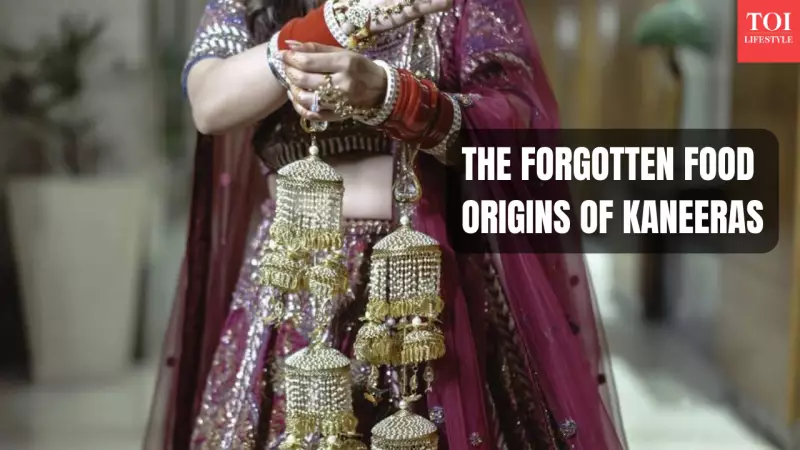
When you admire the delicate, shimmering kaleeras adorning a modern Indian bride's wrists, you're witnessing centuries of tradition transformed into fashion. These beautiful tassels, typically decorated with beads, pearls, and sequins, hold a secret history that few today recognize.
The Edible Origins of Survival
Long before kaleeras became decorative accessories, they served a vital, practical purpose for brides in rural North India, Punjab, Haryana, Himachal, and parts of Rajasthan. In earlier times, brides faced long, arduous journeys to their husband's villages after marriage. Transportation was slow, often taking hours by bullock cart, with no guarantee of food or water availability during travel.
Families addressed this challenge by creating edible kaleeras - small bundles of nourishment tied to the bride's wrists. These weren't fashion statements but survival kits containing batashas (sugar drops), mishri (rock sugar), chana (roasted gram), nuts, and miniature rotis rolled into tiny balls. The practical idea was simple: ensure the bride had something sweet, energizing, and auspicious to sustain her throughout the journey to her new home.

Deep Symbolism in Every Bite
Beyond mere sustenance, each component of traditional kaleeras carried profound spiritual meaning and blessings for the bride's new life.
Batasha or sugar drops represented the prayer for a sweet, loving marriage.
Roasted chana symbolized the strength and courage the bride would need as she transitioned between worlds.
Mishri crystals stood for purity, honesty, and clear beginnings in her new relationship.
Nuts embodied prosperity and abundance for the household she would help build.
Handmade dough shapes, often crafted by female relatives, signified fertility, continuity, and the transfer of blessings across generations.
Together, these edible elements formed both a practical food source and a deeply emotional ritual blessing that accompanied the bride during her literal and metaphorical journey.
The Evolution to Modern Elegance
As transportation improved and journeys shortened, the practical need for edible kaleeras gradually disappeared. Cars replaced bullock carts, and food became readily available during travel. This transformation prompted a fascinating evolution in kaleera design.
Sugar beads transformed into plastic pearls, chana became colorful pom-poms, and dough shapes evolved into zari tassels and sequins. The blessings that once took edible form now manifested through shiny decorations and coordinated fashion statements.
Today's kaleeras represent glamour and style, often matching the bride's lehenga and wedding theme. Despite this material transformation, the emotional core of the ritual remains unchanged. The tradition continues as the bride's female relatives - sisters, cousins, and nieces - tie the kaleeras, each knot carrying silent blessings for her new life.
The gentle sway of kaleeras as the bride walks still serves as a beautiful reminder that she moves from one home to another, surrounded by love that refuses to let go. What once physically nourished brides on difficult journeys now feeds their spirits, maintaining the same heartfelt wishes for sweetness, courage, and abundance in married life.