MEA Clarifies Passport Not Proof of Citizenship
The Ministry of External Affairs (MEA) clarified this week, during the 14th Passport Seva Divas, that a passport is primarily a travel document and does not by itself constitute proof of citizenship. The statement drew immediate criticism, most notably from writer and lyricist Javed Akhtar.
Javed Akhtar Calls Position Absurd
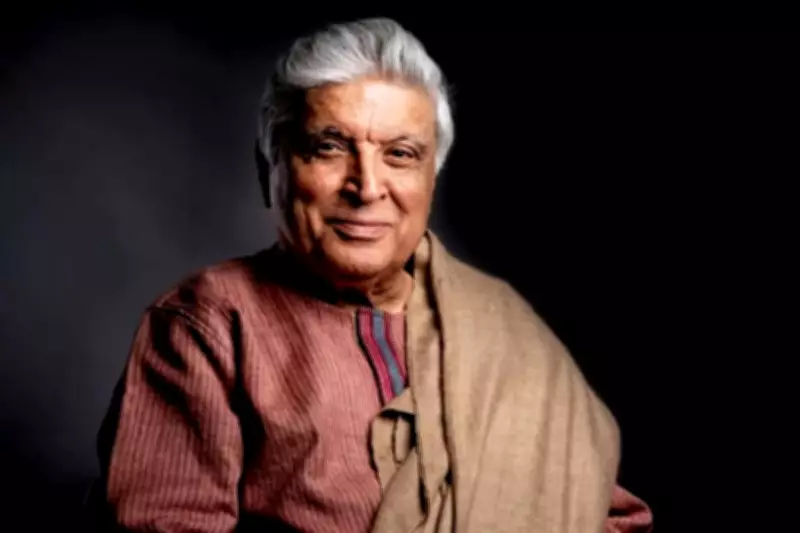
Akhtar, 81, called the MEA's position absurd. On X, he questioned: if the government is not fully satisfied that an applicant is a citizen, how is it issuing them a passport at all? The question, on the surface, appears straightforward, but the legal picture is more layered.
India Lacks Definitive Citizenship Document
The debate legitimately raises a broader issue: as of June 2026, India has no single document legally designated as definitive proof of citizenship. This gap is what Akhtar and many others online are pointing out.

The MEA's clarification was issued as part of the Passport Seva Divas celebrations, which highlight the importance of passport services. However, the statement has sparked a wider conversation about the need for a national identity document that can serve as unambiguous proof of citizenship.
According to legal experts, the passport has traditionally been accepted as proof of citizenship in many contexts, but the MEA's clarification underscores that it is not a conclusive legal document for that purpose. This has led to calls for the government to introduce a dedicated citizenship identification system.
The controversy comes amid ongoing debates about citizenship laws and documentation in India, with many citizens expressing confusion over what documents are actually required to prove their citizenship status.