Japanese Tea Ceremony in Delhi Fosters Cultural Harmony Between India and Japan
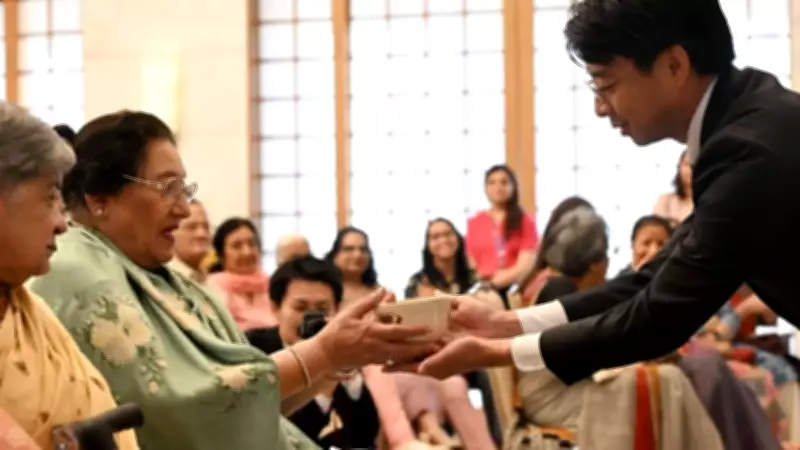
If there is one profound connection that unites India and Japan, it is their deep-seated and forthright love for tea. Aiming to create an afternoon dedicated to peace, mindfulness, and harmony, the prestigious Urasenke Foundation recently hosted a professional and authentic Japanese tea ceremony at the Embassy of Japan in Delhi. This significant event not only provided Delhi residents with a rare opportunity to experience the intricate ritual firsthand but also offered valuable insights into the historical origins of tea and the profound meaning embedded in each ceremonial step, thereby fostering meaningful cultural exchange between the two nations.
A Ritual Deeply Rooted in Meaning and Philosophy
Soko Shimura, the deputy tea master of the Urasenke Konnichian in Japan, commenced his enlightening lecture with a traditional bow, setting a tone of respect and reverence. Speaking through an interpreter, he meticulously traced the origins of the Urasenke school of chado, or the way of tea, inviting all attendees to engage with a practice that is deeply rooted in Japanese aesthetics, philosophy, and interpersonal harmony.
"We have taken a brief look at the history of the way of tea," Shimura explained, "but to offer truly delicious tea, I believe the key is to bring order to the interpersonal relationships of everyone involved. It is important to coordinate the setup by following the established rules and to choose what is most suitable for the person, so that the resulting harmony can be enjoyed and your own unique mark can be added to its narrative. Once you understand how to properly whisk the tea, it becomes truly delicious."

Inside the Meditative Tea Brewing Process
Tea making in Japanese culture is a deeply meditative and mindful experience, characterized by precision and systematic patterns. The ceremony follows a meticulous sequence:
- Cleaning each utensil with a fresh cloth.
- Rinsing the bowl with water.
- Gradually adding matcha powder and water to the bowl.
- Frothing the mixture with a traditional bamboo whisk.
- Turning the bowl in the right hand to position its design toward the guest as a mark of respect.
This entire process is designed to cultivate focus, tranquility, and a deep appreciation for the moment.
The Integral Role of Wagashi and Hospitality
At the event, guests were first served a sweet snack, known as wagashi, before the tea was presented. In traditional Japanese tea service, matcha is thoughtfully paired with delicate sweets, referred to as ochauke. These wagashi serve multiple purposes:
- They balance the natural bitterness of matcha with a subtle sweetness.
- They offer a gesture of hospitality and care from the host.
- They ensure the tea is not consumed on an empty stomach, enhancing the overall experience.
The selection of wagashi is an integral part of the ceremony's refined and aesthetic experience, carefully chosen to complement the flavor profile of the matcha.
This event highlighted how the shared appreciation for tea can serve as a powerful bridge, connecting diverse cultures through rituals that emphasize harmony, respect, and mindful living. The Urasenke Foundation's initiative in Delhi stands as a testament to the enduring cultural ties between India and Japan, rooted in a simple yet profound beverage.