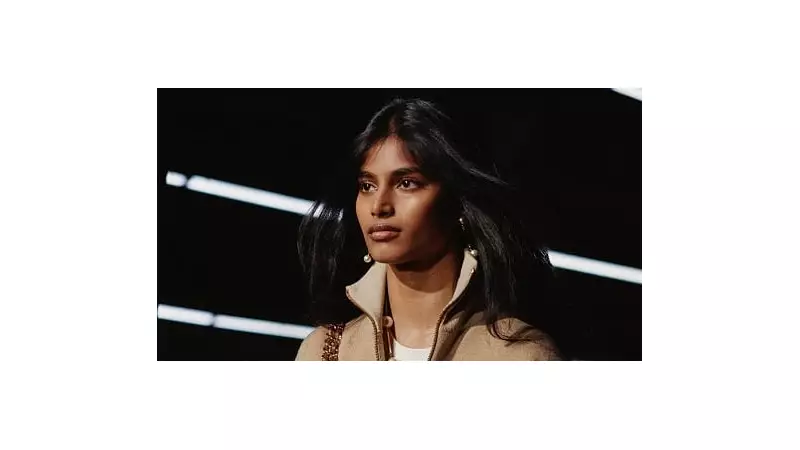
A recent opinion piece has sparked a fresh conversation about how the world perceives Indian women, particularly the younger generation. The discourse centres on a familiar yet frustrating pattern: global recognition of Indian beauty and style often feels contingent on Western approval.
The Core of the Contention: Delayed Validation
The argument posits that modern Indian women, often dubbed as 'baddies' or trendsetters in global parlance, are not inherently troubled by international attention. In an interconnected world, appreciation from diverse cultures is often welcome. The real irritation stems from a persistent colonial hangover—the implicit idea that their beauty, style, and cultural essence only gain significant value once the West decides to notice and endorse it.
This phenomenon reflects what the article terms Britain's imperial gaze, a lens through which non-Western cultures are often measured and validated. The piece, published by Bloomberg Opinion on 05 January 2026, suggests that for Gen Z and millennials in India, this dynamic is increasingly apparent and rankling. They have grown up with a strong sense of indigenous confidence, yet find themselves navigating a global narrative where their worth is frequently benchmarked by Western standards.

Historical Echoes in Modern Trends
The critique goes beyond fashion or aesthetics. It touches upon a deeper post-colonial psyche where former imperial centres still hold disproportionate power in setting global trends and defining what is considered desirable or beautiful. The 'baddie' aesthetic—a blend of confidence, bold fashion, and self-assuredness—has existed in various forms within Indian subcultures long before it received a trendy label and international spotlight.
The article implies that the moment of Western 'discovery' often rewrites this history, framing it as a new trend emanating from the West rather than an evolution of existing local expression. This erasure of organic growth and prior significance is a key point of frustration for many Indian women who see their lived reality repackaged for a global audience.
Moving Beyond the Gaze: A Quest for Autonomous Recognition
The concluding thoughts of the discourse point towards a desire for a more equitable cultural exchange. The call is not for isolation but for recognition that is not hierarchical. The confidence and style of Indian women should be seen as self-validating, emerging from their own socio-cultural milieu, rather than awaiting a stamp of approval from traditional arbiters of global culture.
This shift is already underway, powered by digital platforms that allow for direct cultural export and community building. However, the persistence of old power structures in media and fashion means the journey towards truly autonomous recognition, free from the imperial gaze, is still ongoing. The conversation ignited by the Bloomberg Opinion piece is a testament to a generation increasingly aware of these dynamics and less willing to accept them quietly.