Hyderabad Embraces Kintsugi: The Japanese Art of Golden Repair
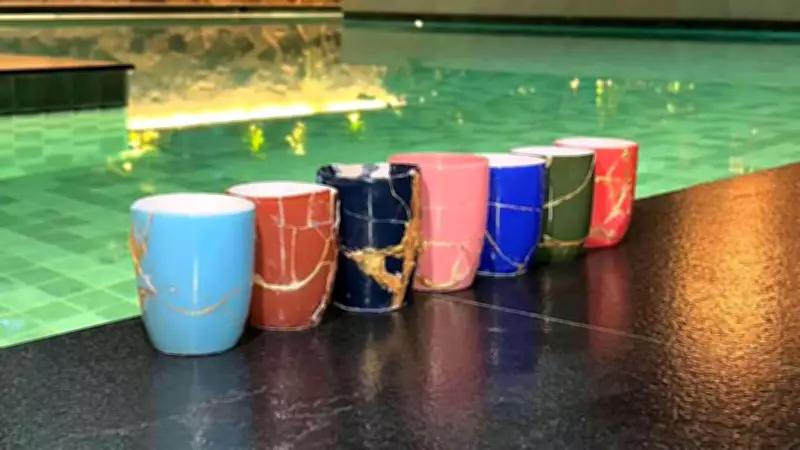
In a world obsessed with perfection, a centuries-old Japanese philosophy is finding new life in Hyderabad. Kintsugi, the art of repairing broken ceramics with gold-toned resins, teaches that flaws and breaks can be transformed into something more resilient and beautiful than the original. This practice is not just about restoration—it's a profound metaphor for life itself.
The Rise of Kintsugi Workshops in the City
Local event companies and studios have begun hosting regular Kintsugi workshops, attracting participants eager to learn this meditative craft. Chaitanya Chavva, a member of a city-based event company, explains their journey into this art form. "We discovered Kintsugi and started experimenting with a ceramic cup. Through online research and instructional videos, we mastered the process and developed an effective teaching method. After numerous trials, we launched workshops early last year," he shares.
The response has been overwhelmingly positive. Participants often arrive hesitant but leave with a deep sense of satisfaction. "Many are initially unsure about breaking and repairing an object correctly, but with proper guidance, they successfully complete their projects. They find the experience both beautiful and peaceful," Chavva adds.

A Digital Detox and Creative Escape
For many Hyderabadis, Kintsugi has become a popular weekend activity that offers a much-needed break from digital screens. Saurav Arya, founder of an events company operating in the city, highlights its dual appeal. "Kintsugi, as both a philosophy and an art form, encourages people to pause and engage with something tangible. It provides a refreshing contrast to their weekday routines," he says.
Using simple materials like ceramic mugs or bowls, adhesive, gold powder, and moulded clay, participants focus on the process as much as the final product. The experience cultivates patience and acceptance, demonstrating how repair can imbue broken objects with new meaning and value.
Personal Stories of Transformation
Software professionals and other attendees have found personal resonance in the practice. Shravani Sanku, a software professional, describes her first encounter with Kintsugi. "The process of breaking and repairing was entirely new and enjoyable, especially for beginners like us. We had a basic understanding of the concept, but hands-on participation made it deeply engaging."
Jhansi Lakshmi Yella, another software engineer who attends workshops, recalls her initial hesitation. "At first, I was scared to break the mug myself. However, transforming it into an art piece felt incredibly rewarding. It was satisfying to create beauty from broken fragments, especially through collaborative work and meeting new people," she explains.
Preserving Sentiment and Reducing Waste
Manpreeth Singh Nishter, who runs a pottery studio in Hyderabad, sees Kintsugi as a sustainable alternative to discarding broken items. "I often advise people not to throw things away immediately. Instead of contributing to waste, Kintsugi offers a way to repair and transform objects, sometimes making them even more beautiful than before," he states.
Many participants bring sentimental items they wish to preserve, adding a personal dimension to the workshops. Nishter notes that sessions typically attract around 20 participants, all of whom thoroughly enjoy the experience.
The Meditative Process and Its Origins
Ankitha Pilli, a software professional, compares her workshop experience to depictions in Japanese films. "I always imagined Kintsugi as a calm, meditative process. Experiencing it firsthand felt similarly engaging and soothing. A unique aspect was intentionally breaking the object in a way that allowed for thoughtful repair," she reflects.

Sowmya Thurimirla, who runs an architecture studio in Jubilee Hills and learned the technique in Japan, details the process. "Kintsugi requires immense patience. You join the pieces, let them set, and then apply the gold. In Japan and China, traditional methods can take days or even months, involving careful bonding, sanding, and detailed application. Our workshops offer a simplified version that completes in a few hours," she explains.
This ancient art form, with its emphasis on resilience and beauty in imperfection, is clearly resonating with modern Hyderabad. Through Kintsugi, residents are not just repairing ceramics—they are mending perspectives and finding peace in the process.