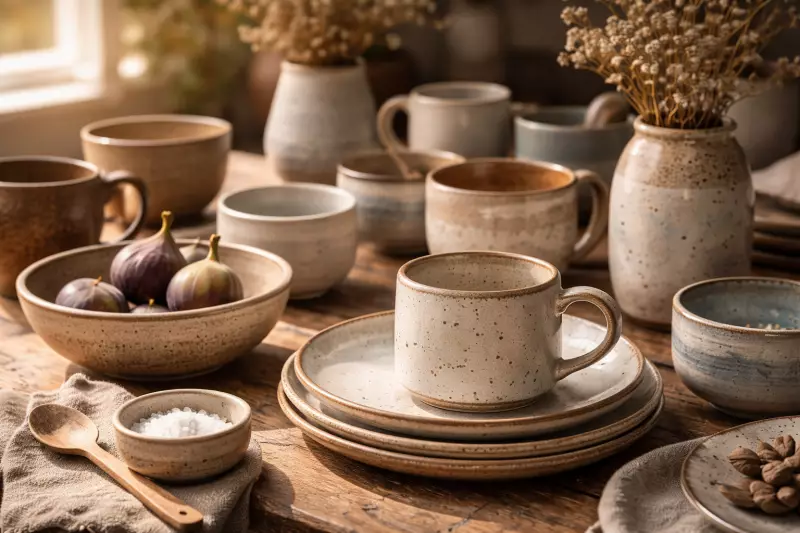
The Quiet Return of Handmade Ceramics
In kitchens, living rooms, cozy cafés, and boutique shelves across the country, handmade ceramics are making a surprising and powerful return to everyday life. Once viewed as niche or purely decorative items, hand-thrown mugs, imperfect plates, and softly glazed bowls are now being deliberately chosen over factory-perfect tableware. This shift feels gentle rather than loud, driven less by fleeting trends and more by a growing collective desire for objects that feel slower, warmer, and deeply rooted in human touch.
A Reaction Against Mass Production
For decades, the homeware market was dominated by uniformity. Identical sets stacked in showrooms promised efficiency and affordability, but while practical, they often lacked character and soul. Handmade ceramics offer the complete opposite experience. Each unique piece carries subtle variations in shape, glaze flow, or texture that proudly reveal the maker’s hand. These small, beautiful irregularities have become central to their appeal.
In a world saturated with perfectly replicated goods, people are increasingly drawn to things that look and feel unmistakably human. A slightly uneven rim or a gentle fingerprint preserved in the clay becomes a tangible reminder that someone shaped this object slowly, intentionally, and with great care. This craving for authenticity mirrors broader cultural shifts toward artisanal bread, small-batch coffee, and locally produced clothing. Ceramics fit perfectly into this evolving narrative of mindful consumption.

The Comfort of Tactile Living
Another significant reason for this ceramic comeback lies in how handmade pottery feels to use. Thicker walls keep tea or coffee warm for longer. Curved, organic handles rest comfortably in the palm. Matte glazes invite touch and connection. These sensory qualities transform routine, mundane moments into small, cherished rituals.
Many buyers speak passionately about how a favourite handmade mug changes the entire tone of their morning or how a handcrafted bowl makes a simple meal feel special and considered. The pleasure derived is not only visual but profoundly physical. After years dominated by digital screens and sleek, impersonal surfaces, textured, tactile objects bring people back to their bodies and anchor them firmly in the present moment.
Furthermore, ceramics age with remarkable grace. Hairline cracks in the glaze or a slight darkening from repeated use often add character and a sense of history rather than diminishing the piece's value. Instead of being discarded, these objects become trusted companions in daily life, accumulating stories with each use.
Sustainability and Slower, Mindful Choices
Growing environmental awareness has also played a pivotal role in this resurgence. Consumers are increasingly questioning disposable culture and leaning decisively toward goods that are made to last a lifetime. Handmade ceramics are typically produced in small studios using local materials and low-volume, considered processes, which feels more responsible and sustainable compared to energy-intensive mass manufacturing.
Choosing one well-made, durable plate over a cheap set that will likely chip within months aligns perfectly with the growing preference for fewer, but better, possessions. Many ceramicists also share their production stories openly through studio visits or social media, allowing buyers to understand precisely where their objects come from and who created them. This transparency builds a powerful emotional investment. When you know the story and effort behind a piece, you are far more likely to care for it deeply and keep it for years to come.
Social Media and the New Visibility of Craft
Digital platforms like Instagram and YouTube have quietly transformed the fortunes and visibility of ceramic artists. Mesmerizing videos of spinning wheels, intricate glazing techniques, and dramatic kiln openings now attract millions of viewers worldwide. Watching a lump of clay transform into a finished, functional cup is hypnotic, and it has sparked immense curiosity among audiences who might never have visited a pottery studio otherwise.

This online exposure has empowered independent makers to reach global customers directly, without relying on traditional galleries or middlemen. The result? Limited releases often sell out in mere minutes, and waiting lists form for signature mugs or vases. What once felt obscure and inaccessible now feels intimate, personal, and wonderfully accessible.
The authentic storytelling around the craft matters immensely, too. Makers generously share their failures as well as successes, posting images of cracked firings alongside perfect results. This honesty deepens public appreciation for the skill, labour, and patience inherent in each unique object.
A Quiet Rebellion Against Speed
Perhaps most importantly, handmade ceramics represent a softer, more persistent kind of resistance to our hurried, fast-paced modern living. They gently ask users to slow down, to notice the weight and warmth in their hands, to set a table thoughtfully and with intention. In homes increasingly shaped by fast deliveries and disposable items, a single hand-thrown plate can introduce a different, more mindful rhythm.
This remarkable comeback is not driven by flashy marketing or celebrity endorsements. Instead, it grows organically through word of mouth, vibrant local markets, intimate studio workshops, and heartfelt personal recommendations. People buy one mug, fall in love with its feel, and then return for another, slowly and deliberately building collections that reflect personal taste rather than impersonal trends.
In choosing handmade ceramics, many are consciously choosing more than just tableware. They are choosing patience, celebrating individuality, and embracing the quiet, profound pleasure of objects shaped by real, attentive hands. That may be precisely why this movement feels so genuine and enduring. It is not shouting for attention. It is simply settling back into the fabric of daily life, one thoughtful cup of tea at a time.