At 7 AM, the café's shutters are partially raised, pulsing with warm golden light and a bassline that feels audacious for the early hour. In place of tequila shots, hands wave cold brews in the air. Instead of a post-midnight stumble, attendees arrive with tote bags and under-eye patches. This is the new frontier of youth culture in India: the coffee rave, where dopamine, daylight, and deep house music forcefully collide.
What Exactly Is a Coffee Rave?
A coffee rave is precisely what the name suggests. It's an early morning dance gathering hosted inside a café or similar space, trading alcohol for coffee and nightlife for daylife. Imagine rave culture, but filtered through a wellness lens. The party typically concludes in time for a 10 AM lecture or work shift. For 20-year-old Kashish Bhatia, a student at FAD International Academy, this shift represents more than just a caffeine preference. She views it as a significant generational pivot.
"Millennials had a very intense party culture, with alcohol, drinking, and going all out," Bhatia observes. "But Gen Z drinks less. It's more social, sometimes not at all. Even in places like the UK, where drinking is cultural, numbers are declining." She notes that what's replacing traditional partying is a broader lifestyle shift encompassing matcha mornings, Pilates, minimalist aesthetics, and a renewed interest in spirituality. Coffee raves fit neatly into this ecosystem and may even signal a deeper economic trend. "It feels like a recession indicator," she suggests, pointing to a premise built on less excess and more intention.

The Driving Forces: Sobriety, Community, and Café Culture
The coffee rave movement emerges at the intersection of three powerful lifestyle trends gaining traction among Indian youth. First is the 'sober-curious' living, where individuals seek social energy without the alcohol-induced hangover. Second is the redefined café culture, accelerated by the pandemic's remote work and online learning boom, turning cafés into unofficial living rooms. Third is a growing, paradoxical craving for real-world community, intensified by digitally isolated lives spent on social media.
For 18-year-old Aman Sharma, a student at Jai Hind College, the appeal is straightforward. "Good music, good people, and a chill energy without all the mess… It feels like a space where you can actually connect and enjoy the moment," he says. This emphasis on connection is a recurring theme, contrasting with the blurry intoxication of traditional nightlife. For a generation that often looks to social media for identity cues, coffee has transcended being a mere drink—it's a personality signifier, a routine, a love language. A latte order can seemingly reveal more than a zodiac sign.
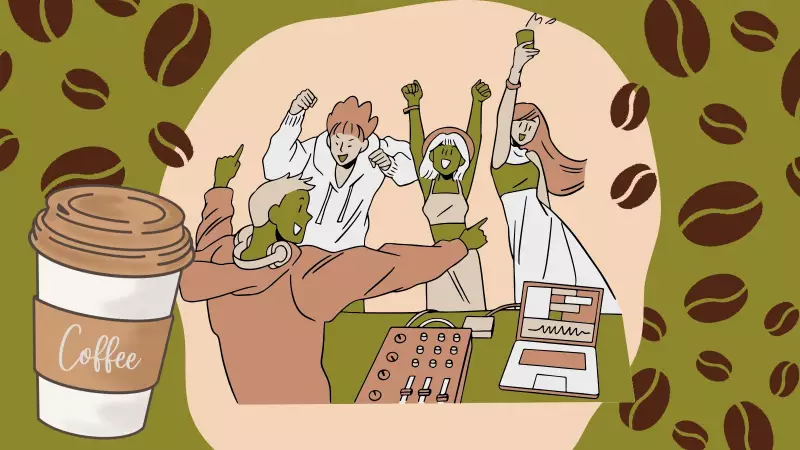
The scene at a coffee rave is distinctive: a DJ booth beside the espresso machine, baristas pulling shots to house beats, and a crowd dancing with iced lattes. The fashion resembles a Pinterest board—parachute pants, oversized sweaters, graphic totes. Some events incorporate stretching or mindfulness sessions; others are pure, caffeinated chaos until the playlist ends.
Business Boom and Cultural Skepticism
For independent cafés, especially in cities like Mumbai, these events are transforming business models. Staff report that previously slow morning hours have become some of the busiest. Sales of cold brews, iced lattes, and non-dairy options spike well before conventional rush hours, often selling out. A barista noted the crowd behaves differently from nightlife patrons: orders are steady, repeat purchases are common, and people stay longer without the issues of managing intoxication. There's also a long-tail effect, with attendees returning during regular hours, building a younger, loyal customer base. These events reposition cafés as cultural venues, converting underperforming morning slots into high-engagement periods.

However, not everyone is convinced. Jia Daswani, 19, a Mumbai-based student, remains sceptical. "I think it's a waste of time. Raves should be done with alcohol," she states, adding that she is not a morning person. For her, coffee raves don't necessarily reduce social anxiety or redefine community—they just feel loud and chaotic. She prefers exploring coffee slowly at a café or a fair.
The trend also raises pointed questions about modern culture. Is this an attempt to reclaim the morning or merely another iteration of performance culture? Does it represent a genuine response to burnout, or a more efficient way to optimize it? Critics wonder if swapping one stimulant (alcohol) for another (caffeine) and calling it self-care misses the point, especially when a ritual demands multiple espresso shots before sunrise. There's a valid concern about whether community-driven movements risk becoming carefully packaged, monetized brand aesthetics.
Yet, these contradictions don't negate the meaning participants find. Coffee raves are still evolving. They might become mainstream, sponsored by brands or hosted by universities, or remain a semi-underground phenomenon discovered through Instagram reels. What's certain, as of January 2026, is that the rave no longer belongs exclusively to the night. For Gen Z, the morning, for the first time in a long while, feels genuinely electric.