The Gamosa: Assam's Enduring Cultural Symbol
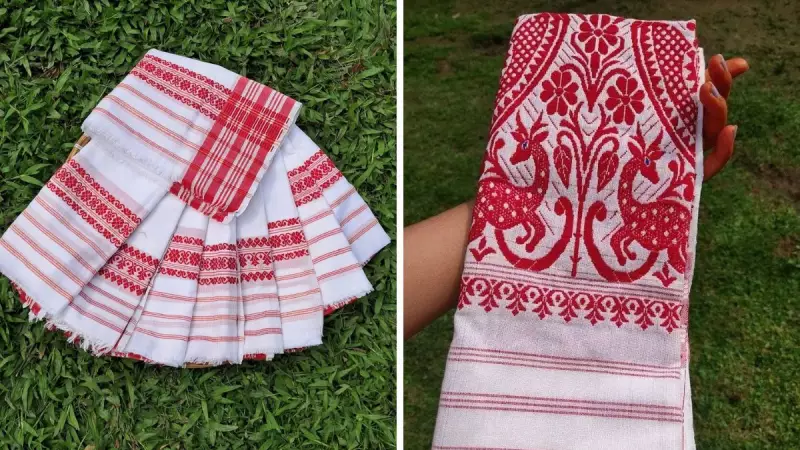
In the vibrant tapestry of Indian culture, the Gamosa stands out as a distinctive and revered emblem of Assam. This traditional cotton towel, often adorned with intricate red motifs, is far more than a mere piece of cloth; it embodies the very essence of Assamese identity, heritage, and social values. Its presence is ubiquitous in the state, from humble households to grand ceremonies, making it an indispensable part of daily life and cultural expression.
Historical Origins and Evolution
The history of the Gamosa is deeply rooted in Assam's ancient traditions, tracing back centuries to a time when it served primarily as a practical item for wiping sweat or as a head covering in the region's humid climate. Over time, its role evolved significantly, transforming from a utilitarian object into a powerful cultural artifact. Historically, it has been associated with the Ahom dynasty, which ruled Assam for nearly six centuries, and its use has been documented in various folk tales and historical texts. The Gamosa's design, typically featuring a white or off-white base with red woven patterns, reflects the artistic sensibilities and craftsmanship of Assamese weavers, who have passed down these skills through generations.
Symbolic Meaning and Cultural Importance
The Gamosa carries profound symbolic meanings that resonate deeply within Assamese society. It is a symbol of respect, hospitality, and purity. In social interactions, offering a Gamosa to guests is a gesture of warm welcome and honor, signifying the host's esteem for the visitor. During religious ceremonies and festivals, such as Bihu, the Gamosa plays a crucial role; it is used to adorn deities, wrap sacred items, or present as a token of blessing. Moreover, it represents self-respect and dignity, often worn around the neck or shoulders by men during traditional events, showcasing pride in one's heritage.

Beyond its ceremonial uses, the Gamosa holds importance in everyday life. It is commonly used in households for various purposes, including as a towel, a makeshift bag, or even as a symbol of protest in socio-political movements, highlighting its versatility and emotional connection to the people. Its red motifs, often inspired by nature and folklore, are not just decorative but carry cultural narratives that reinforce community bonds.
Modern Relevance and Preservation Efforts
In contemporary times, the Gamosa continues to be a vital part of Assamese culture, adapting to modern contexts while retaining its traditional essence. It is prominently featured in cultural events, educational programs, and even in fashion, as designers incorporate its patterns into contemporary attire. Efforts to preserve and promote the Gamosa are ongoing, with initiatives by the government and local organizations to support weavers and raise awareness about its significance. The Gamosa has also gained recognition beyond Assam, symbolizing the rich diversity of Indian textiles and traditions on national and international platforms.
In summary, the Gamosa is much more than a simple towel; it is a living testament to Assam's history, values, and artistic legacy. Its enduring presence in rituals, daily life, and cultural expressions underscores its role as a unifying symbol for the Assamese people, fostering a sense of identity and continuity in an ever-changing world.