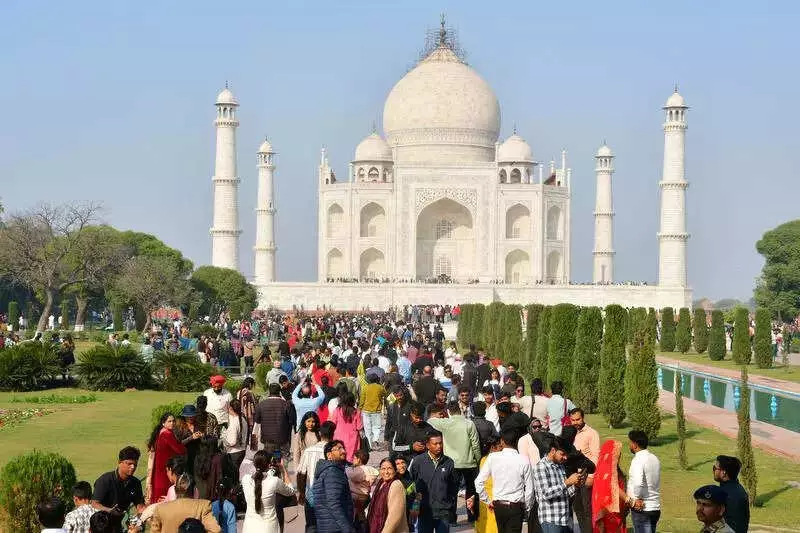
The Taj Mahal in Agra will welcome visitors without any entry fee for three consecutive days. This special arrangement honors the 371st Urs, or death anniversary, of Mughal emperor Shah Jahan. The free access period runs from January 15 to January 17, 2025.
Historic Occasion Brings Unique Access
Archaeological Survey of India officials confirmed the free entry schedule. During these three days, visitors gain a rare opportunity to see the graves of Shah Jahan and his wife Mumtaz Mahal. These resting places are located in the monument's basement and remain inaccessible to the public for most of the year.
Detailed Timing for Free Visits
The ASI has established specific hours for complimentary entry. On January 15 and 16, free admission will be available from 2:00 PM until sunset. January 17 offers extended free access, starting at sunrise and continuing until sunset.

This annual Urs celebration aligns with the 26th, 27th, and 28th days of Rajab, the seventh month in the Islamic calendar. The ASI organizes the event each year, drawing visitors from across India and around the world.
Cultural Programs and Traditional Observances
Haji Tahiruddin Tahir, president of the Khuddame Roza Taj Mahal Urs Committee, outlined the cultural activities planned for the occasion. The program includes traditional qawwali performances, a mushaira poetry gathering, and Quran Khani recitations.
On the final day, participants will perform chadar poshi, the ceremonial covering of the graves with cloth sheets. These events create a vibrant atmosphere around the iconic white marble mausoleum.
Local residents and tourists alike anticipate this annual celebration. The free entry days provide an excellent chance for people who might otherwise find the entrance fees prohibitive. Many families plan their visits specifically for this period.
The Taj Mahal stands as one of India's most recognizable landmarks. Shah Jahan commissioned its construction in memory of Mumtaz Mahal, who died in 1631. The emperor himself was later buried beside her in the elaborate tomb.
Authorities expect large crowds during the three-day Urs observance. Security measures will be enhanced to manage the increased visitor numbers. Officials recommend arriving early to avoid long queues at the entrance gates.
This tradition of free entry during Shah Jahan's Urs has continued for many years. It reflects the cultural and historical significance of the Mughal era in India's rich heritage. The event serves as both a religious observance and a public celebration of architectural marvel.