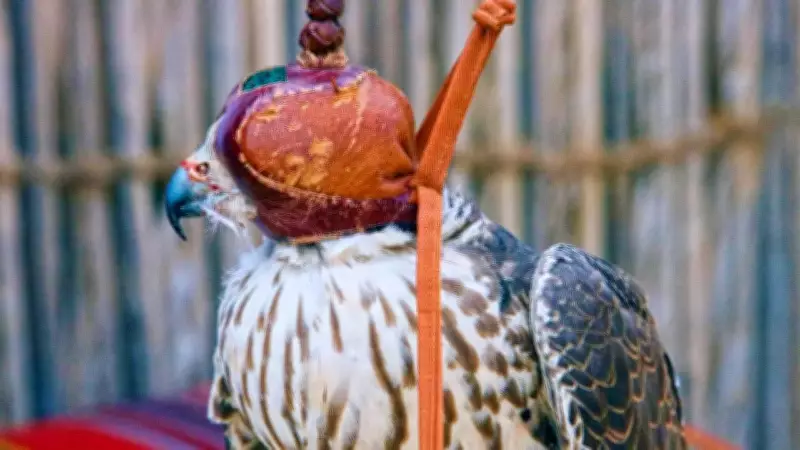
Falcons as Passengers: A Unique Sight in Middle Eastern Airports
At airports across the Middle East, travelers occasionally witness an extraordinary scene that captures their attention: a majestic falcon perched calmly on a gloved arm, waiting patiently to board a flight. These birds are not mere mascots or ceremonial displays; they are legitimate passengers, just like everyone else, complete with their own travel documents. Yes, you read that correctly. Falcons in the United Arab Emirates are issued official government passports, making them unique travelers in the aviation world.
The Deep-Rooted Tradition of Falconry in the Arabian Peninsula
Falconry in the Arabian Peninsula is far more than a pastime; it is a centuries-old tradition deeply embedded in the region's history and culture. Long before the discovery of oil riches, Bedouin tribes relied on falcons for hunting and survival in the harsh desert environment. Over the centuries, the falcon has evolved into a powerful symbol of strength, agility, and nobility, becoming an integral part of Gulf culture. This remains profoundly true in the UAE, where falcons are a crucial component of art, culture, and national symbolism. In recognition of its significance, falconry has been designated by UNESCO as part of the Intangible Cultural Heritage of humanity.
Why Falcons Need Passports: Modernizing an Ancient Practice
As falconry has modernized, so has the movement of these prized birds. Falcons are frequently transported internationally for various purposes, including training, breeding, competitions, and veterinary care. Without a standardized system, cross-border travel posed significant challenges, not only logistical but also legal and ethical. The UAE's passport program for falcons was launched to address these issues comprehensively. Firstly, it facilitates international travel by providing a universally accepted document that verifies the bird's identity, ownership, and health status. Secondly, it serves as a vital tool in combating the smuggling of wild animals, a serious global problem affecting birds of prey and other species. Thirdly, it ensures that only captive-bred falcons are exported, which is crucial for the conservation of the species. Thus, the passport safeguards both individual birds and the broader population.

What a Falcon Passport Contains: Tailored for Wildlife Regulation
A falcon passport functions similarly to a human passport, but its contents are specifically tailored to meet wildlife regulation needs. Each passport includes unique identification information such as species, gender, color markings, and microchip number. It also contains details about ownership and comprehensive veterinary records, including vaccinations and health checks necessary for travel. Unlike human passports, which have a fixed validity period in years, a falcon passport is valid for a specified number of flights within a given time limit, depending on the destination and airline regulations. This flexibility is particularly convenient for frequent travelers with their falcons.
Where Falcons Can Travel: Navigating International Regulations
Falcons possessing UAE passports can travel to various countries, primarily within the Gulf states. Nations such as Saudi Arabia, Qatar, Kuwait, Bahrain, and Oman readily accept these passports. Additionally, some European countries may accept them if other conditions are met. However, international travel with falcons remains a controlled process. Even with a passport, owners must comply with airline regulations and the laws of destination countries. International agreements like CITES (the Convention on International Trade in Endangered Species of Wild Fauna and Flora) must also be adhered to, ensuring ethical and legal standards are maintained.
Airlines Adapt to Falcon Travel: Balancing Culture and Comfort
Airlines operating in the Gulf region have adapted to this unique aspect of travel. Some carriers permit falcons to travel in the cabin, though with limitations on the number of birds per flight. This adjustment reflects both cultural considerations and the need to minimize stress on the falcons during transit. It exemplifies how modern aviation has integrated traditional practices to create a harmonious travel experience.

Blending Old and New: The Remarkable Falcon Passport System
The falcon passport system is a remarkable integration of ancient traditions and modern innovations. Falconry, with its roots in desert survival and folklore, meets contemporary elements like passports, microchips, and aviation regulations. This blend not only preserves a cherished cultural heritage but also promotes conservation and legal compliance in today's globalized world. It stands as a testament to how tradition can evolve to meet the demands of the modern era while maintaining its core values and significance.