Eid-ul-Fitr Celebrated with Joy and Prayers Across Delhi
Eid-ul-Fitr, marking the end of the holy month of Ramadan, was celebrated with immense joy and devotion across Delhi on March 21, 2026. The festival, which signifies the breaking of the fast, saw Muslims in the capital city come together for prayers, feasts, and community gatherings, fostering a spirit of unity and harmony.
Devotees Gather at Jama Masjid for Special Namaz
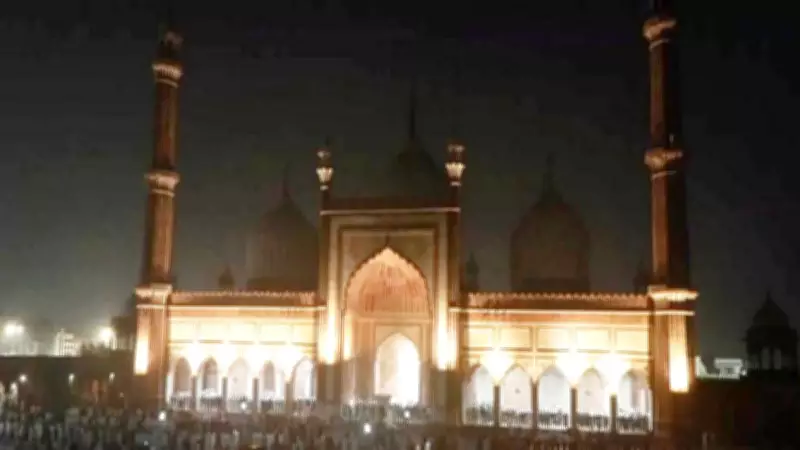
A highlight of the celebrations was the large congregation at the historic Jama Masjid, one of India's largest mosques. Thousands of devotees gathered early in the morning to offer special Eid prayers, known as Namaz-e-Eid, in a serene and spiritual atmosphere. The mosque, located in Old Delhi, was adorned with festive decorations, and the air was filled with chants and greetings of "Eid Mubarak."
The prayers at Jama Masjid were led by prominent religious leaders, who emphasized the values of peace, charity, and gratitude associated with Eid-ul-Fitr. Devotees, dressed in traditional attire, performed the prayers in rows, creating a picturesque scene of devotion and togetherness. The event was conducted with strict adherence to safety protocols, ensuring a smooth and secure experience for all attendees.

Celebrations Across the City
Beyond Jama Masjid, Eid-ul-Fitr was celebrated with equal enthusiasm in various neighborhoods across Delhi. Mosques and open grounds hosted prayer gatherings, followed by community feasts where families and friends shared meals and sweets. Key areas such as Nizamuddin, Okhla, and Jamia Nagar witnessed vibrant festivities, with children receiving gifts and elders exchanging warm wishes.
The celebrations also included acts of charity, with many Muslims distributing food and alms to the less fortunate, upholding the tradition of Zakat al-Fitr. This aspect of Eid highlighted the festival's focus on compassion and social responsibility, reinforcing bonds within the community.
Impact and Significance
Eid-ul-Fitr in Delhi not only marked a religious observance but also showcased the city's cultural diversity and communal harmony. The peaceful gatherings and joyful atmosphere reflected the essence of the festival, which promotes forgiveness, renewal, and shared happiness. Authorities had made arrangements for traffic management and security to facilitate the smooth conduct of events, contributing to a hassle-free celebration for residents.
As the day concluded, the spirit of Eid-ul-Fitr lingered, with many expressing hope for continued peace and prosperity. The celebrations in Delhi served as a reminder of the unifying power of faith and tradition in bringing people together across differences.