







Politics

Supreme Court Issues Notice to Haryana Officials in Chakkarpur Land Case
The Supreme Court has issued notices to Haryana government officials in the Chakkarpur land parcel case, directing them to file replies by May 17, 2026, while condoning a delay in filing and temporarily excusing personal appearances.





World

Rajasthan's Ancient 'Desi Fridge' Goes Viral in 2026 as Sustainable Cooling Solution
An age-old mud and clay cooling technique from Rajasthan, known as the 'desi fridge,' is gaining global attention in 2026 for its ability to preserve food without electricity, backed by modern scientific research on evaporative cooling.



Entertainment

Rajinikanth's 'Jailer 2' Wraps Filming, Celebrates with Cast and Crew
The highly anticipated sequel 'Jailer 2' starring Rajinikanth has officially wrapped filming. The production team celebrated the completion with Rajinikanth, director Nelson Dilipkumar, and co-stars Shiva Rajkumar and Mohanlal.



Business

Nestle India Stock Soars After Strong Q4 Results and Dividend Announcement
Nestle India's share price surged significantly after the company reported robust Q4 results and declared a final dividend of Rs 5 per share, boosting investor confidence.



Sports




Lifestyle





Technology
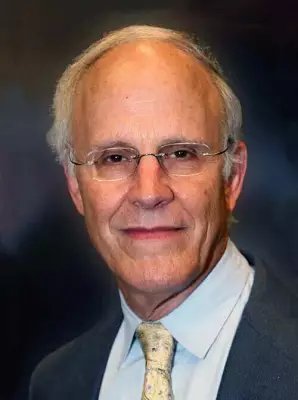
Human Extinction May Block Theory of Everything Discovery
Leading physicists including Nobel laureate David Gross warn that existential threats to humanity could prevent scientists from ever achieving the ultimate goal of unifying all fundamental forces of nature.

Snap CEO Questions Meta's Ray-Ban Smart Glasses Partnership
Snap CEO Evan Spiegel raises concerns about Meta's partnership with EssilorLuxottica for Ray-Ban smart glasses, suggesting it benefits Meta more while potentially harming the eyewear brand's premium positioning and margins.

Crypto Scam Targets Ships Trapped in Strait of Hormuz
Maritime risk firm MARISKS warns of fraudulent messages promising safe passage through the blocked Strait of Hormuz in exchange for Bitcoin or Tether payments, exploiting the ongoing geopolitical crisis.

Meta Hires 3 More from Murati's $12B AI Startup
Meta has hired three more employees from Thinking Machines Lab, the $12 billion AI startup founded by former OpenAI CTO Mira Murati, as part of its aggressive recruitment strategy in the AI space.

Xiaomi Launches Redmi A7 and A7 Pro 4G Phones in India
Xiaomi has launched the Redmi A7 4G and Redmi A7 Pro 4G in India, starting at Rs 10,499. Featuring Unisoc processors, up to 120Hz displays, and 13MP cameras, sales begin April 23, 2026.
