Chaitra Navratri Day 5: Honoring Goddess Skandamata
Chaitra Navratri, a nine-day Hindu festival dedicated to the worship of Goddess Durga and her various forms, reaches its midpoint on the fifth day. This day holds immense spiritual importance as devotees pay homage to Goddess Skandamata, the fifth manifestation of the divine feminine energy. Celebrated with fervor across India, this occasion symbolizes maternal love, protection, and the nurturing aspects of the goddess.
Who is Goddess Skandamata?
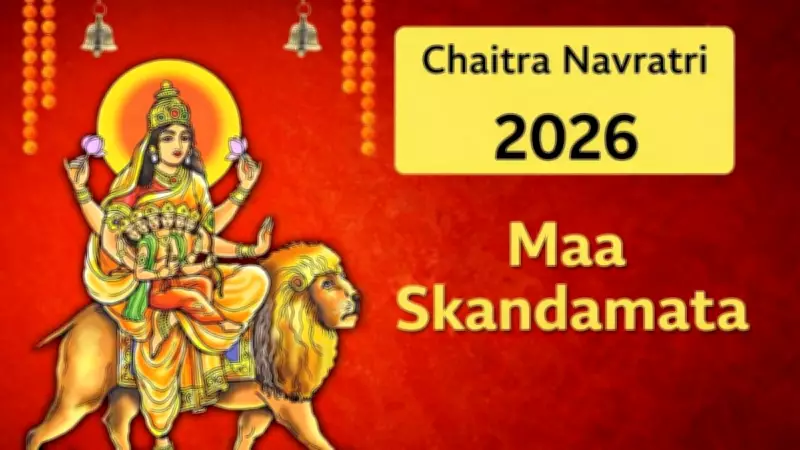
Goddess Skandamata is revered as the mother of Lord Kartikeya, also known as Skanda, who is the god of war in Hindu mythology. Depicted with four arms, she is often shown holding her son Skanda on her lap, while two of her hands carry a lotus flower. The other two hands are in the Abhaya Mudra (gesture of protection) and Varada Mudra (gesture of granting boons). Her name, Skandamata, literally translates to "mother of Skanda," emphasizing her role as a compassionate and powerful maternal figure.
Auspicious Color for Day 5
Each day of Navratri is associated with a specific color that devotees are encouraged to wear to attract positive energies and blessings. For the fifth day, the prescribed color is yellow. Yellow symbolizes happiness, optimism, and the warmth of the sun. By adorning yellow attire, worshippers aim to invoke the goddess's grace and enhance their spiritual connection. This practice is believed to bring prosperity and joy into their lives.

Special Bhog Offerings
Offering bhog (sacred food) is a crucial ritual during Navratri, and each day has its unique delicacies. On Day 5, devotees prepare and offer banana-based dishes to Goddess Skandamata. Common offerings include:
- Banana halwa
- Banana kheer
- Banana fruits
- Other sweet preparations made with bananas
These offerings are made with devotion and are later distributed as prasad among family and community members, symbolizing the sharing of divine blessings.
Spiritual Significance and Rituals
The worship of Skandamata on the fifth day of Chaitra Navratri carries deep spiritual meaning. She is believed to bestow wisdom, strength, and salvation upon her devotees. Key rituals observed on this day include:
- Puja and Aarti: Devotees perform elaborate puja ceremonies at home or in temples, chanting mantras and singing aartis dedicated to Skandamata.
- Fasting: Many followers observe a strict fast, consuming only fruits, milk, and specific foods as per tradition, to purify the body and mind.
- Meditation and Prayer: This day is considered ideal for meditation and seeking the goddess's blessings for overcoming obstacles and achieving success.
According to Hindu beliefs, worshipping Skandamata helps in attaining spiritual enlightenment and protects against negative influences. Her maternal nature is said to nurture devotees, much like a mother cares for her child, fostering a sense of security and well-being.
Cultural and Regional Observances
Chaitra Navratri is celebrated with regional variations across India. In states like Gujarat, Maharashtra, and Uttar Pradesh, communities organize garba and dandiya events, while in others, temple visits and community feasts are common. The fifth day, in particular, sees increased devotional activities as it marks a pivotal point in the festival, with many people intensifying their prayers for health, prosperity, and familial harmony.
In summary, the fifth day of Chaitra Navratri is a time to honor Goddess Skandamata through specific colors, bhog offerings, and rituals. It emphasizes the values of motherhood, protection, and spiritual growth, making it a significant part of this vibrant Hindu festival.