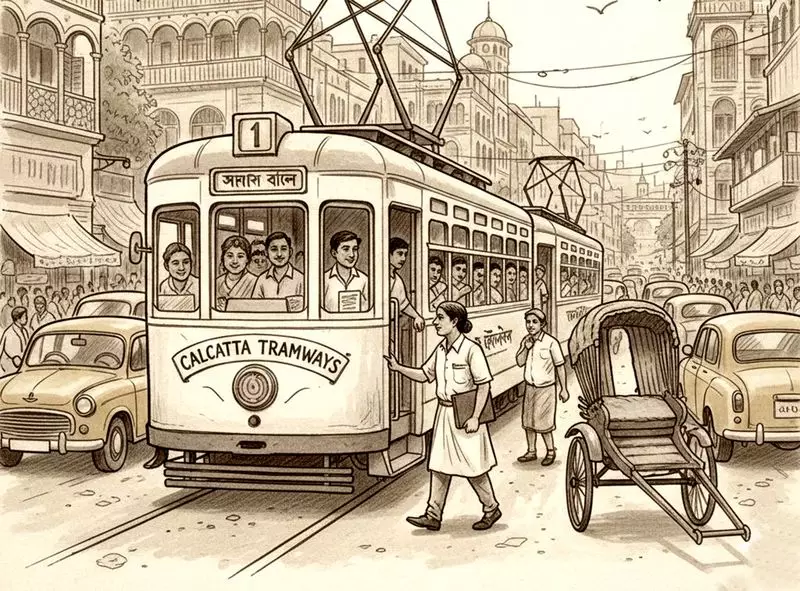
Calcutta's Timeless Trams: A Nostalgic Journey Through the City's Heritage
In the bustling metropolis of Calcutta, now officially known as Kolkata, a unique mode of transport continues to weave its way through the city's vibrant streets, evoking a sense of nostalgia and joy. The trams of Calcutta stand as a living testament to the city's rich history, offering a slow-paced, scenic ride that contrasts sharply with the modern hustle and bustle. This article delves into the enduring appeal of these iconic trams, exploring their cultural significance and the joy they bring to both locals and visitors.
The Historical Legacy of Calcutta's Tram Network
Calcutta's tram system, one of the oldest in Asia, dates back to the late 19th century, with its inception in 1873. Initially horse-drawn, it transitioned to electric trams in the early 20th century, becoming a pioneering example of urban public transport in India. Over the decades, the tram network has expanded and contracted, yet it has steadfastly remained a part of the city's fabric. Today, it serves as a nostalgic reminder of a bygone era, with its vintage carriages and leisurely pace offering a glimpse into Calcutta's colonial past and post-independence evolution.
The Joyful Experience of Riding Calcutta's Trams
For many residents and tourists, a ride on Calcutta's trams is more than just a means of transportation; it is an experience filled with joy and serenity. The trams meander through historic neighborhoods, passing by landmarks such as the Victoria Memorial, Howrah Bridge, and the Maidan, providing passengers with a unique vantage point to admire the city's architecture and daily life. The rhythmic clatter of the wheels, the gentle sway of the carriages, and the open windows that allow a cool breeze to flow in create a tranquil atmosphere that is often missing in faster, more crowded modes of transport. This slow travel encourages mindfulness and connection with the surroundings, making each journey a memorable event.

Cultural Significance and Community Impact
The trams of Calcutta hold deep cultural significance, symbolizing the city's resilience and adaptability. They have been featured in numerous works of literature, films, and art, cementing their status as an iconic element of Kolkata's identity. Beyond their aesthetic and historical value, trams play a vital role in the community by providing an affordable and eco-friendly transport option. They help reduce traffic congestion and pollution, contributing to a more sustainable urban environment. Moreover, the tram routes connect various parts of the city, fostering social interactions and a sense of unity among diverse populations.
Challenges and the Future of Calcutta's Trams
Despite their charm and utility, Calcutta's trams face challenges in the modern era, including competition from buses, cars, and metro services, as well as maintenance issues and declining ridership in some areas. However, efforts are underway to preserve and revitalize this heritage system. Initiatives such as heritage tours, special events, and integration with other public transport modes aim to boost awareness and usage. The future of Calcutta's trams may involve modern upgrades while retaining their nostalgic essence, ensuring they continue to bring joy to future generations.
In conclusion, the trams of Calcutta are much more than a relic of the past; they are a vibrant part of the city's present, offering a joyful and immersive way to experience Kolkata's heritage. As they chug along the tracks, they remind us of the importance of preserving historical treasures in a rapidly changing world.