Wedding Abruptly Canceled After Bride Collapses During Ceremony in Bihar
A joyous wedding celebration in Bihar's Bhojpur district turned into a scene of distress and disappointment on Saturday when the bride fainted during the traditional jaimal ceremony. The incident led to the groom's family calling off the marriage entirely, citing health concerns, despite medical professionals confirming the collapse was due to simple exhaustion and weakness.
Ceremony Takes a Dramatic Turn in Chhotki Sonadiya Village
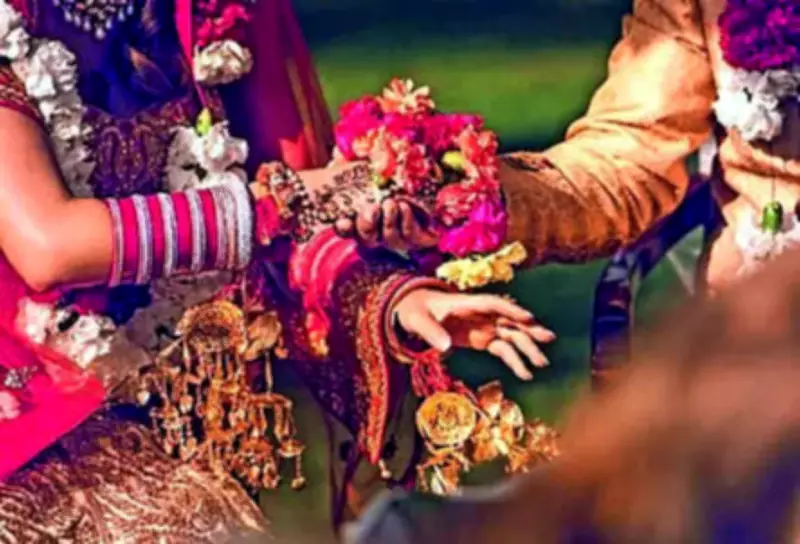
The events unfolded at Chhotki Sonadiya village, located under the Mufassil police station area in Ara. The groom's baraat had traveled from Chhotka village in Sasaram, under the Udwantnagar police station, with earlier rituals like tilak and haldi proceeding smoothly. However, during the pivotal jaimal—where the bride and groom exchange garlands—the bride suddenly lost consciousness on stage, causing immediate panic among attendees.
Family members quickly rushed her to Ara Sadar Hospital for medical attention. Doctors at the hospital examined her and concluded that the fainting episode resulted from tiredness and physical weakness, with no underlying serious health conditions identified. After receiving necessary treatment, she was discharged, but the emotional and financial toll had already been set in motion.

Groom's Family Declines to Proceed, Sparking Family Anguish
Despite the medical reassurance, the groom's family allegedly refused to continue with the wedding proceedings. They opted to return with the baraat, effectively canceling the marriage. In a further blow, relatives of the bride claimed that the groom's side handed back a motorcycle that had been given as a wedding gift, symbolizing the complete dissolution of the union.
The bride's father expressed profound sorrow at the hospital, stating, "We had invested heavily in the wedding preparations for our only daughter. All our aspirations have been crushed, and the entire expenditure has gone to waste." This sentiment highlights the significant financial and emotional investment typical in Indian weddings, now rendered futile.
Underlying Causes and Failed Reconciliation Efforts
The bride's mother provided insight into the possible reasons behind her daughter's collapse. She explained, "In the hectic rush of wedding preparations, my daughter had not been eating properly for several days. That likely caused the weakness. Otherwise, she is in perfect health." This admission points to the common stress and neglect of self-care during major life events.
Repeated attempts by the bride's family to persuade the groom's family to reconsider were unsuccessful. They remained adamant in their decision, prioritizing their perceived health concerns over the medical opinions and the bride's recovery. This stance has left the bride's family grappling with not only the cancellation but also the social stigma and personal devastation associated with such an event.
The incident underscores broader issues within matrimonial practices, where health perceptions can override medical facts, leading to abrupt and life-altering decisions. It also reflects the intense pressures and rituals involved in Indian weddings, which can sometimes lead to physical exhaustion among participants.