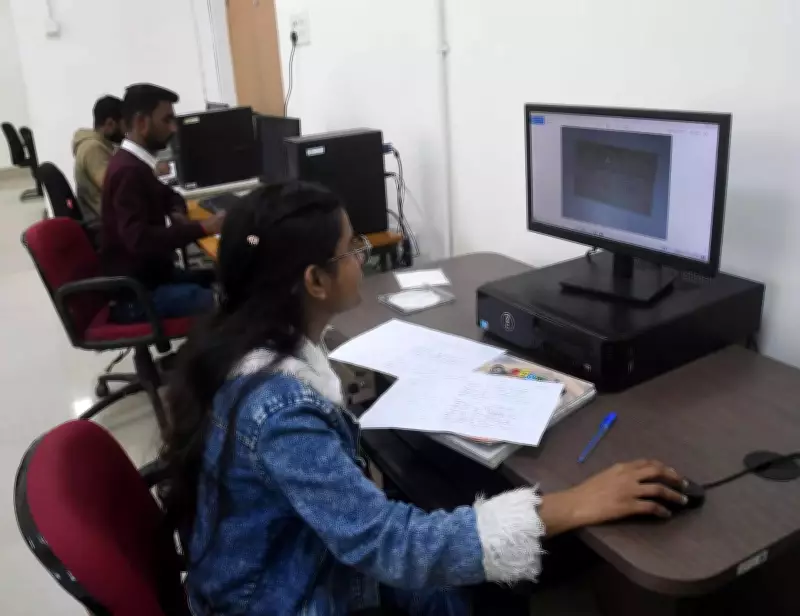
Bihar Archives Launches Major Digitization of Rare British-Era Shahabad Records
In a landmark initiative for historical preservation, the Bihar State Archives has embarked on a comprehensive digitization project of rare British-era administrative records from the Shahabad region. This significant collection, comprising 314 volumes of documents dating from 1790 to 1874, traces the colonial history of what are now the districts of Bhojpur, Buxar, Rohtas, and Kaimur.
Unprecedented Access to Colonial Administrative History
Bhojpur district has achieved a notable first in Bihar by transferring this extensive collection of historical materials to the state archives. The documents provide a detailed window into how British colonial authority was exercised on the ground, covering everything from revenue administration and governance structures to development planning and official functioning.
Archivist Sanjeet Kumar emphasized the global significance of this initiative, stating, "Digitization of these records will help place Bihar's history firmly on the global academic map. It will enable people to understand the administrative journey of the region and compare past development models with the present."

Infrastructure Development and Colonial Governance
The collection offers particularly valuable insights into infrastructure development between 1798 and 1871, including detailed accounts of railway expansion, projects on the Sone river, and canal systems. These records collectively illustrate how colonial administrators prioritized transport, irrigation, and water management as tools of governance and control.
Once fully digitized, these documents will become accessible to scholars and researchers worldwide, breaking down geographical barriers to historical research.
Revolutionary Insights into 1857 First War of Independence
The collection is especially notable for its extensive references to Veer Kunwar Singh and events associated with the First War of Independence in 1857. The documents detail rebellion activities in Shahabad, the measures taken by British authorities to suppress the uprising, and numerous instances of public resistance.
They contain detailed accounts of Kunwar Singh's bravery and military strategy during the revolt, providing factual evidence of the region's significant role in India's freedom struggle.
Educational Impact and Historical Significance
Arvind Kumar Singh, a history teacher from Dumraon, highlighted the educational benefits of this initiative: "Many important facts about Shahabad's role in colonial administration and resistance were previously confined to archives. Digital access will bring authentic history directly into classrooms, benefiting both students and educators."
Akhileshwar Kumar, a senior history teacher from Buxar, reinforced the national significance of these records: "Shahabad was not merely an administrative unit but a genuine center of resistance. These documents help establish its contribution to India's freedom struggle in a factual, evidence-based manner."
Preservation and Transfer Process
On the directions of the district magistrate, the 314 volumes were transferred in two phases from the district archives to the Bihar State Archives Directorate. Moiz Zia, officer-in-charge of the Ara archives, noted that the records span developments between 1757 and 1860, adding that digitization would ensure the region's governance history reached a much wider audience.
This initiative represents a crucial step in preserving Bihar's colonial heritage while making it accessible for academic research and public education, ensuring that the administrative and resistance history of the Shahabad region receives the scholarly attention it deserves.