Bengaluru's Industrial Heritage Finds New Purpose as Cultural Landmarks
Across Bengaluru, a remarkable urban transformation is underway as disused factories and warehouses are being creatively repurposed into dynamic cultural hubs. This movement represents a significant shift in how the city approaches urban development and heritage conservation.
The Challenge of Repurposing Versus Building Anew
Developers and cultural entrepreneurs behind these innovative projects openly acknowledge that repurposing existing structures presents far greater challenges than constructing new buildings from the ground up. The process involves navigating complex structural issues, adhering to heritage conservation guidelines, and addressing the unique limitations of older industrial spaces.
Despite these obstacles, project leaders consistently emphasize the substantial benefits that make this approach worthwhile. "While it's certainly more demanding technically and logistically, the character and history embedded in these structures create spaces with soul that new construction simply cannot replicate," explains one project developer involved in converting a former textile mill.

Multiple Benefits of Adaptive Reuse
The transformation of industrial spaces offers numerous advantages:
- Sustainable Urban Development: Repurposing existing structures significantly reduces construction waste and preserves embodied energy compared to demolition and rebuilding.
- Cultural Preservation: These projects maintain tangible connections to Bengaluru's industrial past while creating contemporary cultural venues.
- Community Revitalization: Former industrial areas are being transformed into vibrant community gathering spaces that host art exhibitions, performances, workshops, and cultural events.
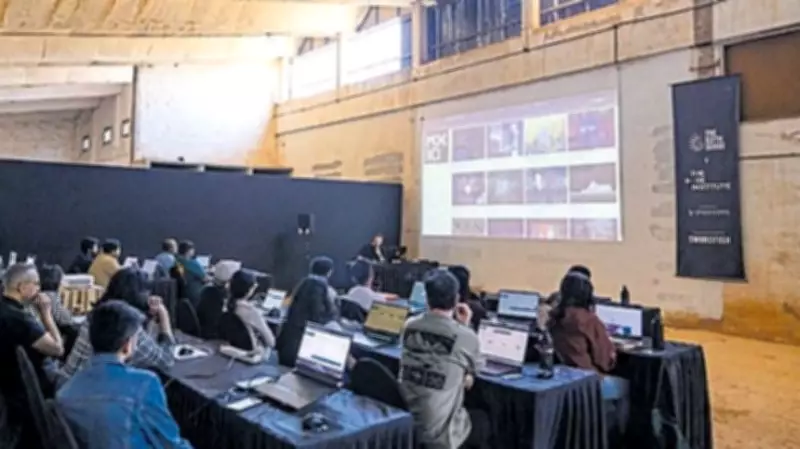
- Architectural Innovation: Designers are creatively integrating modern amenities while preserving distinctive industrial features like exposed brickwork, high ceilings, and large windows.
The Evolving Cultural Landscape of Bengaluru
This trend reflects Bengaluru's ongoing evolution from an industrial center to a modern metropolis with a rich cultural identity. The converted spaces now house art galleries, performance venues, co-working spaces, cafes, and community centers that serve diverse audiences.
"These spaces bridge generations," notes a cultural programmer working in a repurposed warehouse. "Older residents remember when these buildings were active industrial sites, while younger visitors experience them as contemporary cultural destinations. This creates a unique dialogue between past and present."
The movement demonstrates how cities can honor their industrial heritage while meeting contemporary cultural needs, offering a model that balances preservation with progress in Bengaluru's rapidly changing urban landscape.