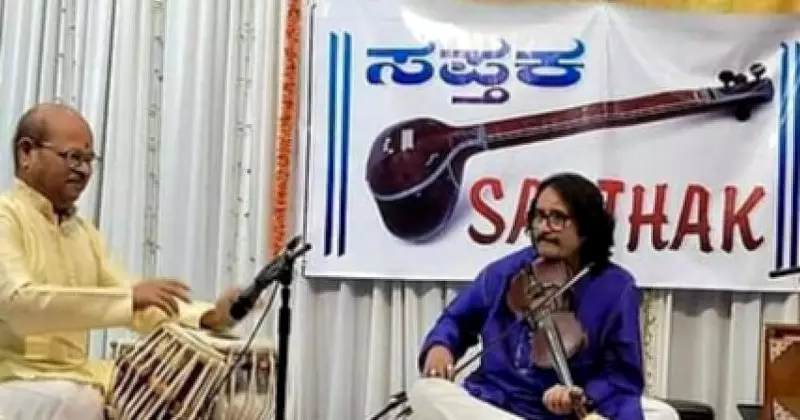
Bengaluru's Cultural Renaissance: Creating Spaces for Art to Thrive
In the bustling metropolis of Bengaluru, a quiet yet profound cultural revolution is underway. The city, often hailed as India's Silicon Valley, is now emerging as a vibrant hub for artistic expression, with a growing number of dedicated spaces and initiatives aimed at nurturing creativity and fostering community engagement. This movement is not just about preserving traditional art forms but also about embracing contemporary practices, making art accessible to all.
The Rise of Dedicated Art Venues
Over the past few years, Bengaluru has seen a significant increase in the establishment of art galleries, studios, and performance venues. These spaces range from small, independent galleries tucked away in urban neighborhoods to large, state-funded cultural centers. They provide artists with the necessary infrastructure to create, exhibit, and sell their work, while also offering the public opportunities to experience art firsthand.
For instance, the Karnataka government has been actively involved in promoting cultural activities through schemes that support the development of art infrastructure. This includes the renovation of historic buildings into cultural hubs and the creation of new public art installations across the city. Such efforts are crucial in ensuring that art is not confined to elite circles but becomes an integral part of urban life.

Community-Led Initiatives Driving Change
Beyond government support, community-led initiatives are playing a pivotal role in Bengaluru's cultural revival. Local artists, activists, and residents are coming together to organize workshops, festivals, and pop-up events that bring art to the streets and public spaces. These activities encourage participation from diverse groups, including children, senior citizens, and marginalized communities, fostering a sense of inclusivity and shared cultural identity.
One notable example is the proliferation of street art projects that transform bland walls into colorful murals, telling stories of the city's heritage and contemporary issues. These projects not only beautify the urban landscape but also spark conversations about social and environmental themes, making art a tool for public discourse.
Challenges and Opportunities Ahead
Despite the progress, challenges remain in sustaining Bengaluru's art ecosystem. Issues such as funding constraints, lack of affordable studio spaces, and the need for greater institutional support persist. However, the growing interest from private investors and corporate sponsors in cultural projects presents new opportunities for growth.
Moreover, the integration of technology with art is opening up innovative avenues for creation and dissemination. Digital platforms and social media are enabling artists to reach wider audiences, while tech-driven installations are redefining interactive art experiences. This synergy between technology and creativity is particularly resonant in a tech-savvy city like Bengaluru.
The Impact on Urban Life and Economy
The flourishing art scene in Bengaluru is having a tangible impact on the city's social fabric and economy. Cultural events attract tourists, boost local businesses, and create employment opportunities for artists and related professionals. Additionally, art spaces serve as venues for networking and collaboration, fostering a supportive community that encourages artistic innovation.
From a broader perspective, this cultural renaissance enhances Bengaluru's global reputation, positioning it not just as an IT capital but as a city rich in artistic heritage and contemporary vibrancy. It underscores the importance of investing in cultural infrastructure as a means of promoting holistic urban development.
In conclusion, Bengaluru's journey towards creating spaces for art to thrive is a testament to the power of collective effort and visionary planning. By continuing to support both traditional and modern art forms, the city is paving the way for a more creative, inclusive, and dynamic future.