Ancient Animal Hero Stones of Bengaluru Chronicle Centuries of Human-Wildlife Conflict
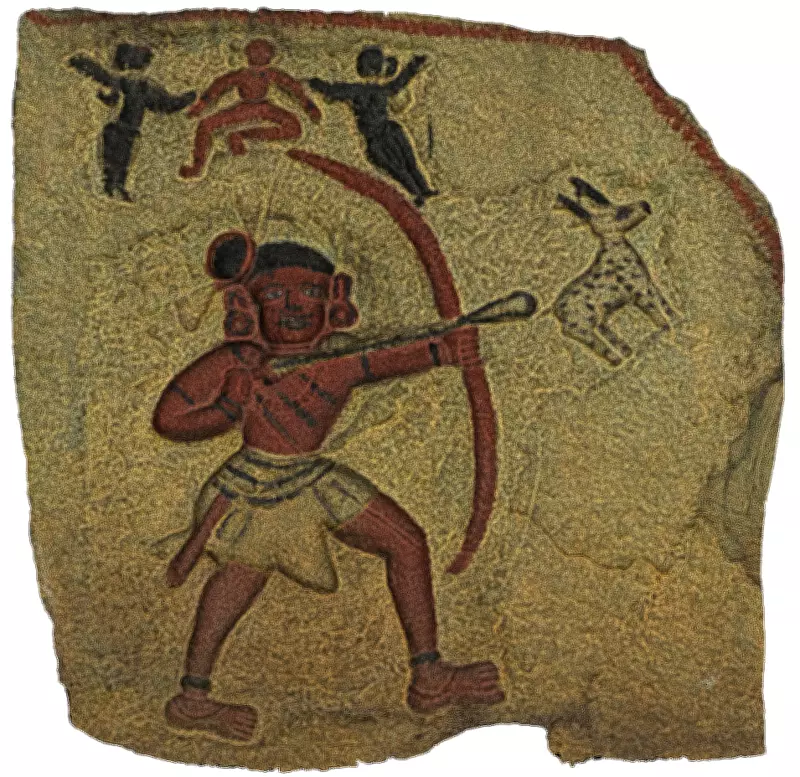
Embedded into compound walls and built into local shrines, Bengaluru's ancient animal hero stones serve as silent witnesses to the city's long and storied history of human-wildlife conflict. These carved stones, known as Veeragallus, date back as far as the 8th century and are scattered across unsuspecting corners of the city, from college campuses to busy streets, offering a unique glimpse into past encounters between humans and wildlife.
A Timeless Testament to Valorous Encounters
Human-wildlife conflict is an age-old narrative, often involving wildlife entering villages and human encroachment into natural habitats. Centuries ago, communities in the Bengaluru region meticulously documented these interactions by carving them into stone, creating what are now known as animal hero stones. These artifacts transcend time, preserving stories of bravery and conflict that continue to resonate today.
Notable Tiger Hero Stones Across the City
Tiger Hero Stone at IISC: One of the most significant tiger hero-stones, also referred to as hulibete, is located within the Indian Institute of Science (IISC) campus. This stone, dating back to the 10th century, depicts fierce battles between humans and tigers, likely resulting in injury or death for both. It remains in its original placement, offering a direct link to the past.

Tiger Hero Stone at Bangalore University: On the other side of the city, another tiger hero stone rests within Bangalore University's campus. Traced back to the 8th or 9th century, this stone was sourced from a different location, highlighting how these artifacts have been moved and integrated into modern urban settings.
Tiger Hero Stone Shrine in Old Madiwala: In a surprising twist, an almost identical twin hero-stone has been transformed into a shrine near Madiwala, opposite the BTM Bus stop. Dating to the 14th century, it receives daily prayers and prasadam, blending historical significance with contemporary religious practice. Local residents, like Shreya B, often mistake it for a simple deity shrine, unaware of its historical value.
Tiger Hero Stone in Sakalavara: Beyond Bengaluru's urban limits, near the Bannerghatta National Park, the oldest animal hero-stone in the region rests in Sakalavara. Dating to the 8th century, this stone lies just off a natural biological corridor, underscoring the deep-rooted connection between wildlife and human settlements.
Diverse Depictions Beyond Tigers
Ferocious animals were not the only subjects immortalized in stone. In Banashankari, a deer-hunt hero stone is embedded in the compound wall of the Nagalakshmi Kalyana Mantapa, overlooking a bustling street. Similarly, in Jakkur, a snake-hunt hero stone from the 15th century depicts another type of wildlife encounter, with Jakkur being a prominent historic locality housing multiple such stones.
Preservation Efforts and Historical Significance
These animal hero stones carry profound messages about inter-species interactions and historical perspectives, but they face threats from natural erosion and neglect. For the past six years, The Mythic Society in Bengaluru has been engaged in digital preservation efforts to make these monuments accessible to future generations and the public.
Udaya Kumar PL, Honorary Project Director at The Mythic Society, emphasizes that each hero stone is crucial for understanding history. "There is no singular hero stone that can be deemed as most important or interesting. The context we view things through is what determines significance. An incident which bears significance to me may not be as important to another person. Likewise, each one of the inscriptions is incredibly important in its own way," he told the Indian Express.
As Bengaluru continues to grow, these ancient stones remind us of the city's rich heritage and the ongoing need to preserve historical artifacts that bridge the past and present.