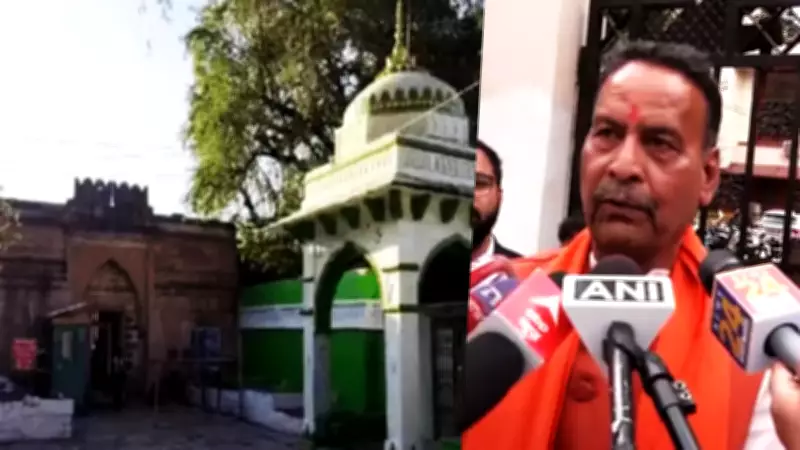
ASI Report Uncovers Temple Origins of Kamal Maula Mosque in Bhojshala
The Archaeological Survey of India (ASI) has released a comprehensive report stating that the Kamal Maula Mosque in Madhya Pradesh's Bhojshala was constructed using materials sourced from ancient temples. This revelation comes from a detailed 2,000-page document based on extensive excavation, architectural analysis, inscriptions, and sculpture studies conducted at the site.
Key Findings from the Archaeological Investigation
The ASI's research indicates that the current structure of the mosque was erected centuries after the original site, with minimal attention to architectural design or symmetry. The study strongly suggests that the original location may have been a temple dedicated to the goddess Saraswati, dating back approximately 950 to 1,000 years during the reign of the Paramara dynasty under Raja Bhoj.
Among the significant discoveries were 94 sculptures and fragments, including depictions of deities such as Ganesh, Narasimha, and Bhairava, along with various animal and mythical figures. Many of these artifacts were found to be defaced or repurposed in later construction phases, highlighting the complex history of the site.

Legal Proceedings and Court Directives
The Indore bench of the Madhya Pradesh High Court has taken cognizance of the ASI report and has directed all involved parties to submit their objections, suggestions, or opinions within a two-week period. The next hearing in this matter is scheduled for March 16, where further deliberations on the archaeological findings and their implications are expected to take place.
This development adds a new layer to the ongoing discourse surrounding historical preservation and religious sites in India, as the ASI's findings provide concrete evidence of the site's multifaceted past.