ASI Survey Report on Bhojshala Complex Ignites Emotional Response Among Devotees in Dhar
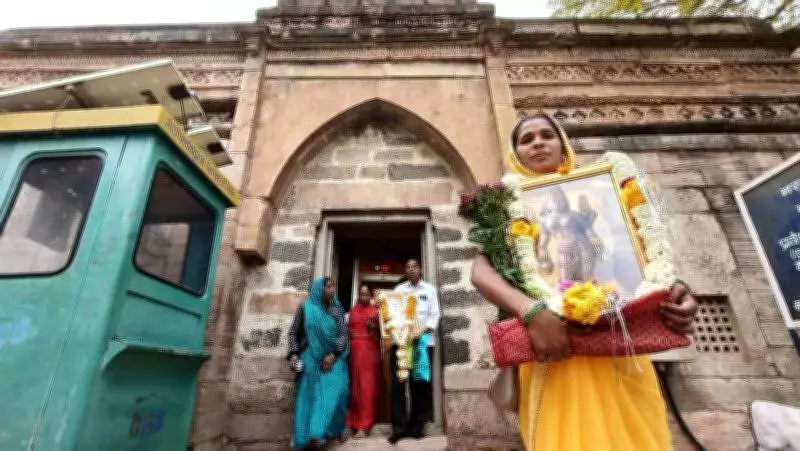
As dawn broke over Dhar, a palpable sense of anticipation filled the air as devotees began arriving at the historic Bhojshala complex. Moving with a quiet purpose that transcended ordinary religious observance, they gathered on this particular Tuesday—the designated day each week when Hindu worshippers are permitted by the Archaeological Survey of India (ASI) to offer prayers to Vagdevi, the Goddess Saraswati, within the contested site.
Weight of History and a Landmark Report
The atmosphere was charged with significance following the public release of the ASI survey report on Monday. This comprehensive document, made available under a Madhya Pradesh High Court order, presented a groundbreaking conclusion: the Kamal Maula Mosque structure within the complex was constructed using ancient temple remains. For the assembled devotees, many of whom have been involved in a struggle spanning nearly four decades, this finding represented a profound turning point.
Throughout the day, the complex witnessed an unusually large influx of devotees, all engaged in animated discussions about the report's implications. Inside the prayer area, emotions ran high as women were seen with tears in their eyes while men meticulously prepared for the morning aarti by securing a photograph of Vagdevi. Although the Indore bench of the Madhya Pradesh High Court has yet to deliver its final verdict in the ongoing legal dispute over the Bhojshala structure, those present viewed the ASI findings as long-awaited vindication.

Decades of Struggle and Personal Sacrifice
"I feel that the struggle we initiated around 1987 is now bearing fruit. My life's dream is coming true," expressed Gopal Sharma, convenor of the Bhojshala Mukti Yagya. Sharma has inherited this cause from his father, dedicating years to legal battles seeking official recognition of the Vagdevi temple—a shrine located within a network of corridors featuring pillars adorned with disfigured Hindu idols.
The approach to the contested area involves traversing a gravel path that passes the freshly painted Kamal Maula Mosque, now gleaming in bright white and green hues. This path culminates abruptly at an aged gate equipped with metal detectors, symbolizing the physical and metaphorical barriers that have defined this protracted conflict.
Architectural Evidence and Cultural Significance
The ASI report's technical analysis provides substantial archaeological evidence supporting the presence of temple remains within the mosque structure. This documentation has reinforced the devotees' longstanding claims about the site's original Hindu heritage. The complex itself, with its intricate corridors and idol-bearing pillars, stands as a silent witness to layers of historical transformation and religious contention.
As the sun climbed higher, the gathering at Bhojshala continued to swell, with many participants describing the day as historic. The convergence of weekly religious practice with the release of authoritative archaeological findings created a unique moment of collective reflection and hope for resolution.
The emotional responses observed—from tearful reverence to expressions of fulfilled dreams—highlight the deep personal and communal stakes involved. For individuals like Sharma, this represents not just a legal or historical matter, but the culmination of a lifelong commitment passed through generations.
While the judicial process remains ongoing, the ASI report has undeniably shifted the narrative, providing tangible evidence that resonates powerfully with those who have maintained their connection to this sacred site through decades of uncertainty and advocacy.