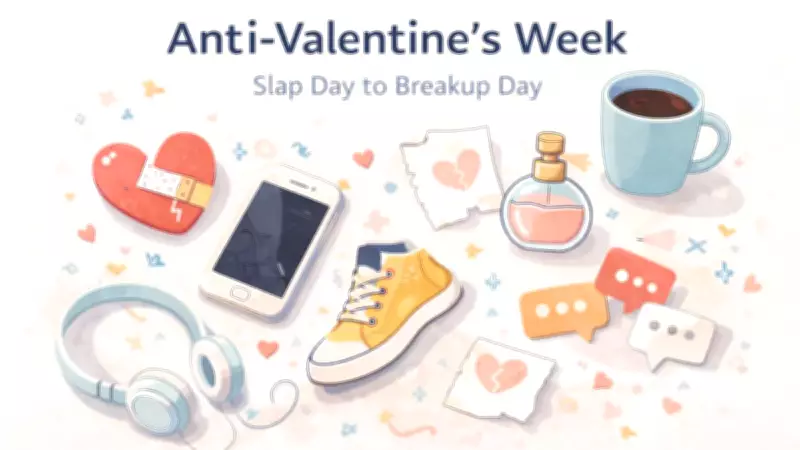
Anti-Valentine's Week 2026: A Complete Overview
As Valentine's Day approaches each year, a contrasting tradition known as Anti-Valentine's Week gains popularity, offering an alternative for those who prefer to express feelings of rejection, frustration, or independence. In 2026, this week-long observance will run from February 10 to February 16, providing a structured series of days dedicated to various themes of negativity or self-reflection. This period serves as a counterpoint to the romantic celebrations, allowing individuals to channel emotions in a humorous or therapeutic manner.
The Seven Days of Anti-Valentine's Week 2026
Each day in Anti-Valentine's Week has a specific name and meaning, designed to mirror the sentiments often associated with failed relationships or personal grievances. Here is the detailed list for 2026:
- Slap Day (February 10): This day symbolizes the act of slapping away past hurts or negative memories. It encourages people to metaphorically reject toxic influences or bad experiences, promoting a fresh start by letting go of emotional baggage.
- Kick Day (February 11): Following Slap Day, Kick Day focuses on kicking out lingering issues or unwanted habits. It represents a proactive step towards self-improvement, urging individuals to eliminate obstacles that hinder personal growth or happiness.
- Perfume Day (February 12): On this day, the emphasis shifts to self-care and rejuvenation. Perfume Day encourages people to indulge in activities that boost confidence and well-being, such as using fragrances or pampering oneself, as a way to move forward positively.
- Flirt Day (February 13): As a playful interlude, Flirt Day allows for lighthearted interactions without serious commitments. It provides an opportunity to engage in casual flirting, fostering social connections and fun before the more intense days ahead.
- Confession Day (February 14): Coinciding with Valentine's Day, Confession Day is dedicated to expressing hidden feelings or truths. Unlike romantic confessions, this can involve admitting mistakes, sharing grievances, or coming clean about unresolved issues, promoting honesty and closure.
- Missing Day (February 15): This day revolves around nostalgia and reflection. Missing Day encourages individuals to acknowledge and process feelings of loss or longing for past relationships or moments, offering a space for emotional catharsis and acceptance.
- Breakup Day (February 16): The final day of Anti-Valentine's Week, Breakup Day, symbolizes the ultimate act of separation or ending. It represents cutting ties with negative aspects of life, whether in relationships, habits, or situations, to embrace new beginnings and personal freedom.
Significance and Cultural Impact
Anti-Valentine's Week has evolved as a cultural phenomenon, particularly among younger demographics who seek to balance the overwhelming focus on romance during February. It provides a structured outlet for emotions that might otherwise be suppressed, fostering a sense of community among those who share similar experiences. By dedicating specific days to themes like rejection and self-care, this observance promotes mental well-being and resilience, encouraging individuals to address and move past challenges in a healthy way.

In 2026, as social media and digital platforms continue to amplify trends, Anti-Valentine's Week is expected to see increased participation through online posts, memes, and discussions. This digital engagement helps normalize conversations around heartbreak and personal growth, making it more accessible and relatable to a global audience. Ultimately, this week serves as a reminder that not all emotions during the Valentine's season need to be positive, and that acknowledging negativity can be a step towards healing and empowerment.