Nature's Master Builders: Animal Homes That Redefine Architectural Genius
While human architects meticulously design skyscrapers and interiors, animals across the globe have been perfecting their own remarkable shelters through millions of years of evolution. These structures, born from pure survival instinct, often surpass human engineering in both complexity and functionality.
In the wilderness, a home serves critical purposes beyond mere comfort. It provides essential protection from predators, regulates extreme temperatures, ensures access to food sources, and creates safe environments for reproduction. The resulting animal architectures are so extraordinary they appear to be products of creative imagination rather than biological necessity.
The Floating Bubble Sanctuary of Betta Fish
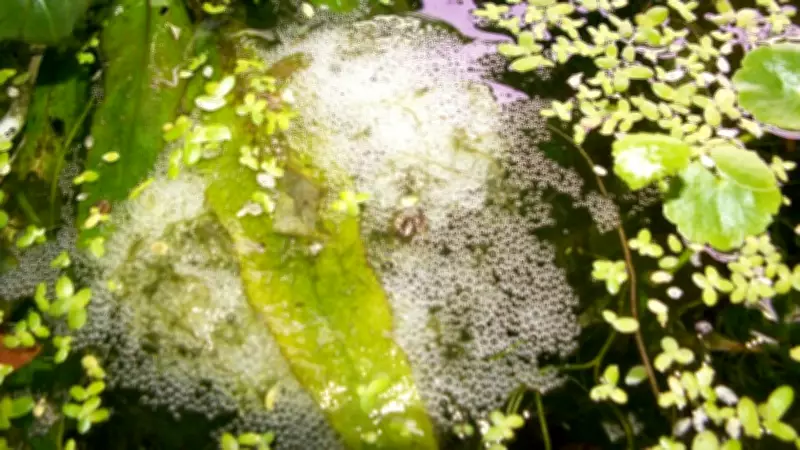
The male betta fish constructs one of nature's most delicate yet effective homes using nothing but his own saliva. By blowing countless tiny bubbles at the water's surface, he creates a shimmering floating nest that appears fragile but demonstrates remarkable durability. This ingenious structure serves as a protective nursery for fertilized eggs while maintaining crucial oxygenation levels. When individual bubbles inevitably burst, the diligent betta immediately replaces them, continuously maintaining his temporary yet fully functional aquatic shelter.

The Underwater Silk Chamber of Diving Bell Spiders
The diving bell spider represents a unique evolutionary marvel as the only spider species that lives almost entirely underwater. This remarkable arachnid constructs a specialized silk "diving bell" that it anchors to submerged aquatic plants. The spider then transports air bubbles from the surface using its body hairs, gradually filling the silk chamber to create a breathable underwater habitat. This air-filled sanctuary allows the spider to breathe, rest, hunt, and even raise its offspring—essentially creating a fully functional underwater residence with its own renewable oxygen supply system.
The Climate-Controlled Termite Metropolis
Certain termite species construct towering mounds that can exceed thirty feet in height, featuring sophisticated internal ventilation networks that actively regulate temperature and humidity. These massive structures function as natural climate control systems, keeping the entire colony cool during scorching daytime heat while retaining warmth throughout cooler nights. Composed primarily of mud, saliva, and other natural materials, termite mounds exhibit such advanced engineering principles that human architects and designers now study them for inspiration in sustainable building technologies and energy-efficient construction methods.
The Portable Shell Homes of Hermit Crabs
Hermit crabs have developed a unique housing strategy that involves repurposing rather than building. These resourceful crustaceans inhabit discarded mollusk shells, carrying their protective homes on their backs as they move through their environments. As hermit crabs grow, they actively search for larger shells, sometimes participating in organized "shell exchange" formations with other crabs. This constantly evolving approach to shelter represents one of the animal kingdom's most distinctive survival strategies—creating portable protection that adapts to changing needs throughout the creature's lifetime.
The Suspended Villages of Weaver Birds
Weaver birds demonstrate extraordinary craftsmanship by creating elaborate nests meticulously woven from grasses, leaves, and other plant materials. These architectural marvels typically hang from tree branches positioned above water sources, strategically designed to deter potential predators. The nests feature narrow, difficult-to-access entrances and exhibit such sturdy construction that they can withstand significant wind forces and heavy rainfall. Some weaver bird species construct entire colonial settlements with dozens of individual nests attached to a single tree, creating what appear to be floating avian villages suspended in the canopy.

These five examples represent just a fraction of nature's architectural wonders. From aquatic bubble nests to towering termite cities, animal homes continue to inspire human designers while demonstrating that the most functional architecture often emerges not from blueprints, but from millions of years of evolutionary problem-solving for survival in challenging environments.