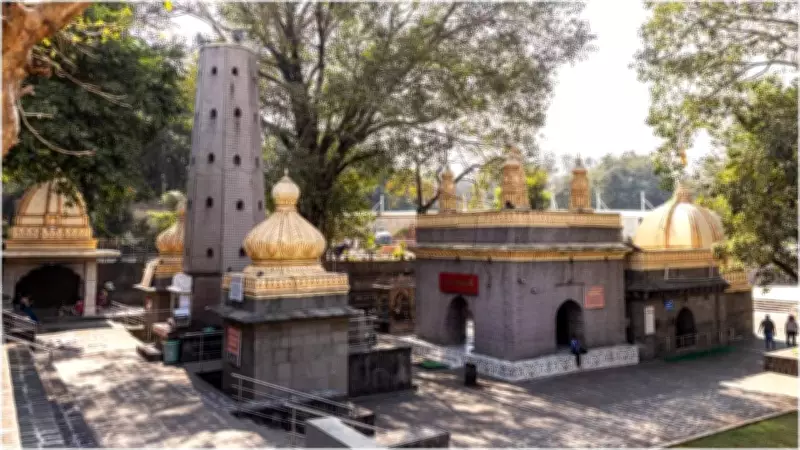
The Enduring Legacy of Pune's Someshwar Temple
Nestled in the tranquil Pashan neighborhood of Pune stands the magnificent Someshwar Temple, a spiritual sanctuary that has withstood the test of time for nearly nine centuries. This ancient religious complex, spanning approximately 3.5 acres of sacred ground, continues to serve as both a vital place of worship and an invaluable historical monument that preserves the rich cultural heritage of the region.
Architectural Grandeur and Spiritual Significance
The temple complex is constructed entirely from remarkably durable black stone, showcasing the distinctive Hemadpanti architectural style that has been meticulously maintained through generations. This architectural approach represents a living tradition that has successfully preserved religious and cultural practices across hundreds of years of continuous worship.
At the heart of the temple's spiritual importance lies the revered swayambhu Shivalinga, believed to be a naturally occurring manifestation of Lord Shiva. This sacred formation transforms the site into a particularly powerful destination for devotees seeking divine connection. During the holy month of Shravan, the temple experiences a significant influx of worshippers every Monday, as thousands gather to offer prayers and perform rituals dedicated to Shiva.

Historical Connections to Maratha Legacy
The Someshwar Temple occupies a special place in Maratha history, with local traditions maintaining that Rajmata Jijamata frequently brought her young son, the future Chhatrapati Shivaji Maharaj, to this sacred shrine. Historical accounts suggest that Shivaji Maharaj himself provided substantial support and patronage to the temple during the mid-17th century, elevating its status as a premier religious destination throughout the region.
Over the centuries, the temple complex has expanded to include several subsidiary shrines dedicated to various deities, including Lord Ganesha, Hanuman, and Bhairavnath. The entire complex is encircled by imposing stone walls that create a protected sanctuary atmosphere, while religious structures such as the sacred banyan tree and the deepmala (traditional lamp tower) enhance the spiritual ambiance of the surroundings.
Miraculous Origins and Living Traditions
A fascinating legend surrounds the temple's discovery, recounting how centuries ago, a cow mysteriously began producing milk at a specific location, ultimately revealing the hidden Shivalinga beneath the earth. This miraculous origin story continues to inspire devotion among worshippers, who believe in the shrine's jagrut nature—the conviction that divine presence actively listens to and responds to their prayers.
Today, the Someshwar Temple remains not merely a historical relic but a vibrant, living center of religious activity that attracts tens of thousands of pilgrims during major festivals and religious observances. Despite Pune's transformation into a bustling metropolitan center, the temple maintains its serene spiritual atmosphere through ongoing prayers, rituals, and devotional offerings.
This remarkable structure stands as both a popular destination for contemporary worship and a tangible connection to Pune's multilayered historical and cultural past, preserving architectural traditions, spiritual practices, and historical narratives that have endured for nearly a millennium.