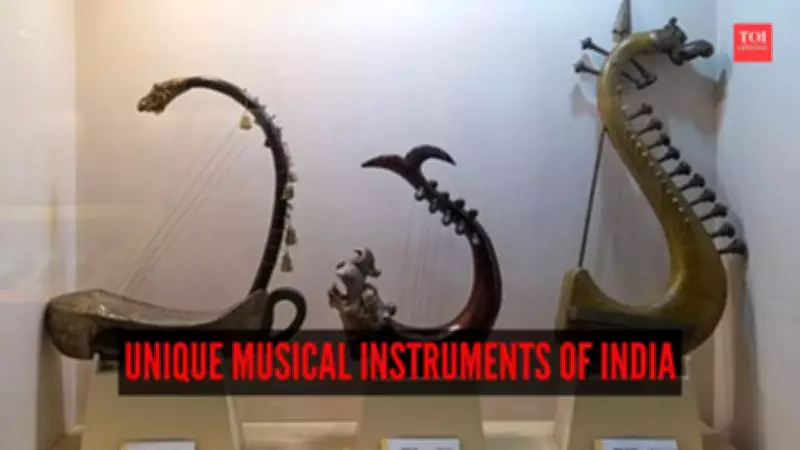
India's musical landscape extends far beyond the globally recognized sitar and tabla, encompassing a diverse array of unique instruments that reflect the country's rich cultural tapestry. These lesser-known instruments, often confined to specific communities and regions, are deeply intertwined with local traditions, rituals, and storytelling practices. Each instrument not only produces distinctive sounds but also embodies the cultural identity of its place of origin, contributing to India's status as one of the world's largest repositories of indigenous music creation.
Ravanahatha: The Ancient Bowed String Instrument
The Ravanahatha, primarily found in Rajasthan and Gujarat, stands as one of the world's oldest bowed string instruments. Crafted from a coconut shell resonator, a bamboo neck, and a horsehair bow, this instrument produces a raw and haunting tone that has captivated listeners for centuries. Traditionally played by folk musicians and storytellers, the Ravanahatha serves as a vital link to India's ancient musical narratives, preserving tales and traditions through its evocative sound.
Bankia: The Grand Ceremonial Trumpet
Hailing from Rajasthan, the Bankia is an unusually designed wind instrument made of bronze, resembling a trumpet with a bent body and a flared bell. Its design is not for subtle melodies but for grandeur—producing a loud, penetrating sound ideal for ceremonies, weddings, and temple rituals. Unlike melodic flutes, the Bankia is engineered to announce celebration and majesty, making it a distinctive symbol of Rajasthani folk traditions and communal festivities.

Chikara: The Piercing Folk String Instrument
The Chikara, prevalent in Uttar Pradesh and Rajasthan, is a bowed string instrument that resembles a small sarangi but delivers a sharper, more piercing sound. Typically featuring three strings, it is played continuously without pauses, making it perfect for energetic folk music and storytelling performances. Its vibrant tone sets it apart from classical string instruments, often enlivening village celebrations and narrative traditions with its dynamic presence.
Thavil: The Powerful South Indian Percussion
Originating from Tamil Nadu, the Thavil is a barrel-shaped percussion instrument played with both hands and fingers, known for its loudness, rhythmic complexity, and vibrant energy. Traditionally accompanying the nadaswaram at South Indian temple festivals, the Thavil requires significant skill and stamina to master. Its powerful beats and intricate patterns make it one of India's most unique and formidable percussion instruments, deeply embedded in regional religious and cultural practices.
Pepa: The Assamese Bihu Horn
The Pepa, a traditional wind instrument from Assam, is crafted from a buffalo horn and holds a central place in Bihu celebrations. It produces high-pitched, energetic sounds that stimulate movement and joy, reflecting rural life and harvest festivities. The instrument's natural shape and limited note range contribute to its visual and aural uniqueness, serving as a vibrant expression of Assamese cultural identity and communal happiness.
Udukai: The Pitch-Bending Hand Drum
Found in Tamil Nadu and Kerala, the Udukai is a small hourglass-shaped hand drum that allows for variable pitch based on grip pressure. Played by folk musicians during rituals and village ceremonies, it is renowned for its fast rhythmic patterns and expressive tonal changes. Unlike standard drums, its pitch-bending ability makes it a rare and technically intriguing percussion instrument, adding a layer of musical nuance to traditional performances.
Tumbi: The Energetic Punjabi String Instrument
The Tumbi, from Punjab, features a single metal string and a wooden handle, producing a strong, high-pitched sound essential to folk genres like Bhangra. Its energy and ability to instantly elevate the tempo of any composition, while maintaining simplicity, make it a beloved instrument. Notably, the Tumbi's volume allows it to be played without amplification, ensuring its continued role in representing Punjab's cultural identity and festive spirit.

Preserving India's Musical Heritage
The wide variety of musical instruments across India, from horn-based creations like the Pepa to clay drums like the Udukai, showcases historic innovations and the distinct identities of various communities. These instruments have evolved naturally within specific regional contexts over time, serving as artistic expressions of local life and traditions. Protecting these rare musical treasures is crucial, as they not only enrich India's cultural heritage but also offer insights into the country's diverse social and historical narratives. By celebrating and preserving these instruments, we ensure that future generations can appreciate the profound musical legacy that defines India's artistic soul.