From Elephants to Bats: 5 Surprising Animals That Can Swim in the Wild
In the vast tapestry of the natural world, animals often defy simple categorization, revealing hidden talents that challenge our everyday assumptions. While swimming is typically associated with aquatic creatures like fish, dolphins, and seals, numerous land-dwelling animals also possess this unexpected skill. This article explores five such surprising swimmers, shedding light on their lesser-known abilities that might just change how you view wildlife.
Disclaimer: The information presented here is based on online sources and ecological studies. Details may vary depending on species and geographic region.
1. Bats: Masters of the Sky and Water
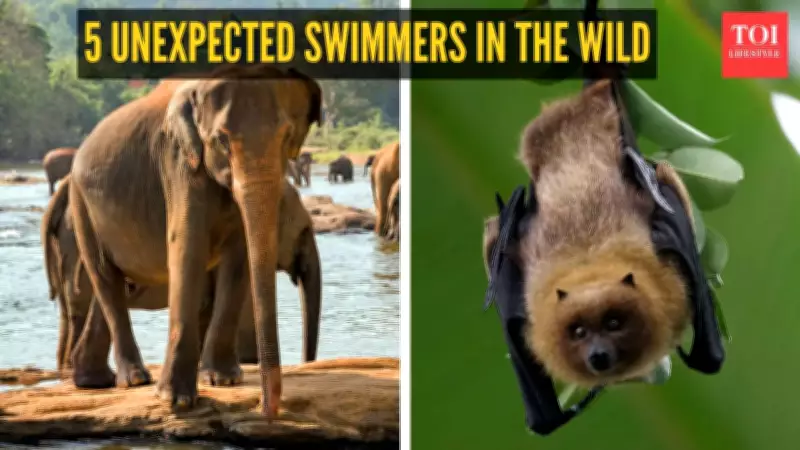
Bats are renowned for their aerial prowess, navigating night skies with silent, agile flight. Water, however, seems an unlikely element for these creatures. Yet, many bat species can swim if they accidentally land in water. Using their wings in a rowing motion, they propel themselves across the surface. This ability also aids some bats when feeding near water bodies, demonstrating a simple yet effective adaptation to unexpected situations.

2. Camels: Desert Dwellers with Aquatic Skills
Camels are iconic symbols of arid deserts, known for enduring long journeys with minimal water. Contrary to popular belief, these resilient animals can swim when necessary. Moving slowly and steadily, their bodies remain afloat, with their long necks keeping their heads above water. Though swimming is not a frequent activity for camels, they manage it competently, showcasing their versatility beyond dry landscapes.
3. Cats: Breaking the Anti-Water Stereotype
Cats have earned a reputation for avoiding water, a trait often observed in domestic settings. However, this generalization does not hold true for all felines. Certain breeds are comfortable in water, and wild cats frequently enter aquatic environments for hunting or cooling off. Even typical house cats can swim if forced into it, proving that their aversion is not universal but rather situational.
4. Elephants: Graceful Giants in Water
Despite their massive size, elephants are remarkably adept swimmers. They can cross deep rivers with ease, using their powerful limbs to navigate. A key adaptation is their ability to breathe through their trunks while swimming, allowing them to stay submerged for extended periods. Swimming not only facilitates movement between regions but also helps these majestic animals regulate body temperature in hot climates.
5. Hedgehogs: Small but Buoyant Swimmers
Hedgehogs, with their small bodies and short legs, do not appear built for swimming. Nonetheless, they can float and swim when encountering water. Their buoyancy helps them stay afloat, though they tire quickly due to their limited stamina. This makes supervision essential for pet hedgehogs near water, highlighting the importance of understanding their capabilities and limitations.
In conclusion, nature continually surprises us with its diversity and adaptability. From bats skimming water surfaces to elephants traversing rivers, these five animals remind us that swimming is not exclusive to aquatic life. By appreciating these hidden talents, we gain a deeper insight into the complex behaviors that define the wild, encouraging a more nuanced view of the animal kingdom.