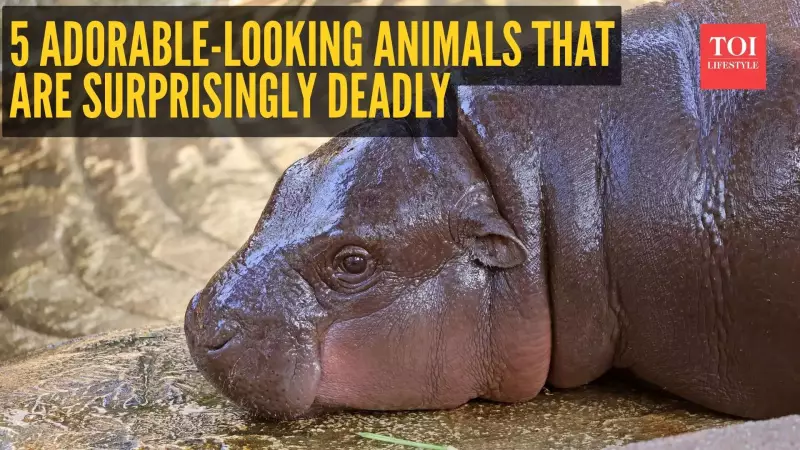
Scrolling through social media, it's hard to resist the charm of a fluffy fox or a waddling polar bear. These animals often appear in videos as soft, playful, and utterly harmless creatures. However, this adorable online persona can be dangerously misleading. In reality, these are wild animals with instincts that can turn them from cute to threatening in an instant, especially if they feel scared, trapped, or provoked.
Looks Can Be Deceiving: The Wild Nature Behind the Cuteness
It is easy to forget that the animals we see in viral clips are not pets. Their charming appearances often mask their true nature as predators, survivors, or carriers of disease. A momentary lapse in judgment or an attempt to get too close for a photo can lead to serious consequences. Understanding a bit about these creatures is key to ensuring safe encounters, should you ever cross paths with them in the wild or even on the fringes of human habitats.
1. The Charming Yet Risky Red Fox
With its bright eyes, bushy tail, and soft fur, the red fox looks like it has stepped out of a storybook. This visual appeal makes it a favourite subject for wildlife photographers and video creators. However, red foxes are wild canines that can carry rabies, a deadly viral disease. If a fox feels threatened or cornered, it will not hesitate to defend itself with a bite or sharp claws. The safest way to appreciate their beauty is from a significant distance, enjoying documented footage rather than seeking a close interaction.

2. The Powerful Polar Bear: A Cuddly Illusion
Polar bears often appear in media as gentle, clumsy giants slowly ambling across Arctic ice. This portrayal fuels a perception of them as cuddly and calm. The truth is starkly different. Polar bears are massive apex predators, incredibly strong, surprisingly fast, and have no natural enemies. They are capable of taking down large prey. Any perceived threat to them or their cubs can trigger an immediate and ferocious attack. Admiration for these magnificent animals must always be conducted from the safety of a fortified vehicle or a very, very long distance.
3. The Venomous Platypus
The platypus, with its duck-like bill and gentle swimming motions, seems like a creature from a cartoon. This unique egg-laying mammal, however, harbours a secret defence mechanism. Male platypuses have venomous spurs on their hind legs. While not typically fatal to humans, a sting from this spur delivers excruciating pain that can incapacitate a person's arm or leg for weeks. The experience is described as overwhelmingly painful. Observing these fascinating animals from the bank of a creek is the only recommended approach.
4. The Mischievous But Hazardous Raccoon
Raccoons, with their clever 'masked' faces and dexterous little hands, exude an aura of playful mischief. Their antics in rummaging through garbage bins can seem comical. However, raccoons are common carriers of rabies and other zoonotic diseases like leptospirosis. When they feel trapped or are protecting their young, they can become aggressive, biting and scratching with surprising force. Even a seemingly small or young raccoon should never be approached or treated as a potential pet.
5. The Predatory Leopard Seal
In the icy waters of Antarctica, the leopard seal glides with a spotted coat that can appear almost playful. Their sometimes-curious behaviour around humans has been captured in documentaries. Do not let this fool you. Leopard seals are powerful and dominant predators in their ecosystem, feeding on fish, squid, penguins, and even other seals. There have been documented, though rare, aggressive encounters with divers. They are wild, large carnivores and should be observed with extreme caution and respect from a secure location.

Why This Awareness Matters
The core message is simple yet vital: cute animals are still wild animals. Their appealing aesthetics are not an invitation for closeness. A fox, raccoon, or polar bear may seem harmless in a 30-second clip, but they can react with lightning speed when they perceive a threat. The rise of social media content has sometimes blurred the line between entertainment and reality. It is crucial to remember that these creatures belong in the wild. The best and safest way to enjoy their existence is through screens or from a safe, non-intrusive distance that does not disturb their natural behaviour or put you at risk.
Disclaimer: The information in this article is based on general ecological studies and online sources. Specific behaviours and risks can vary depending on the species, individual animal, and region.