5 Foolproof Methods to Test Silver Purity at Home: A Complete Guide
Purchasing silver is a cherished tradition for many, whether acquiring elegant oxidized jhumkas, investing in bullion, or gifting classic silver coins for family weddings. This lustrous metal holds a special place in hearts and portfolios alike. However, distinguishing genuine silver from counterfeits can be challenging, especially since pure silver is rarely used in its absolute form due to its softness. Jewelers typically alloy it with metals like copper to enhance durability for daily wear. Understanding the difference between pure silver and sterling silver is crucial before making any significant purchase. Here are five brilliant, incredibly simple methods to check the purity of your silver right at home, ensuring you get what you pay for.
1. Look for the Hidden Code: The Hallmark Test
The fastest way to verify silver authenticity is by examining it closely for hallmarks. Genuine silver pieces almost always feature tiny stamps hidden on inconspicuous areas, such as the inside of a ring band, the clasp of a silver chain, or the bottom of a vintage bowl. Key markings to identify include:
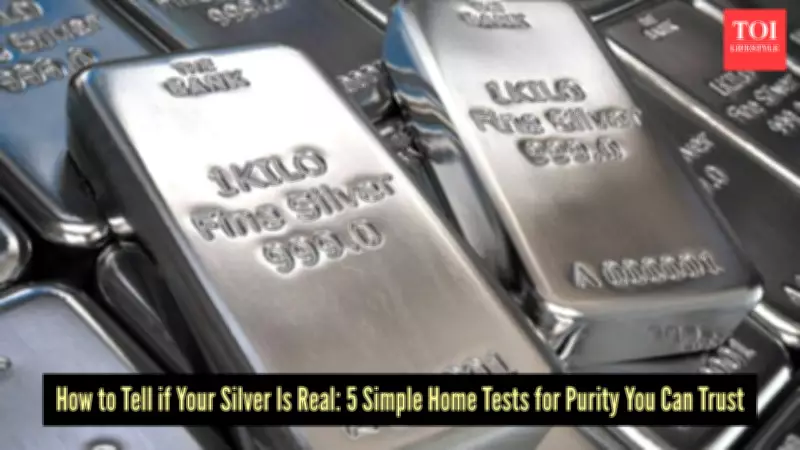
- "999" or ".999": This indicates Fine Silver, which is 99.9% pure, commonly found on investment coins and bars.
- "925": The famous Sterling Silver mark, signifying 92.5% silver content, widely used in jewelry and tableware.
- "900" or "800": These denote Coin Silver or older European pieces, with lower silver percentages.
Be cautious of markings like "EPNS" (Electroplated Nickel Silver), which indicate a cheap base metal with a thin silver plating, not genuine silver.

2. The Magnet Test: A Simple Science Experiment
Grab a strong rare-earth magnet, such as a neodymium magnet, and hold it near your silver item. Silver is completely non-magnetic, so if the magnet snaps onto the piece, it likely contains an iron or steel core, indicating a fake. For silver bars, try the slide test: tilt the bar at a 45-degree angle and slide the magnet down the surface. On real silver, the magnetic field creates a drag, causing the magnet to slide down slowly. This test is quick, non-destructive, and highly effective for initial screening.
3. The Ice Cube Trick: Thermal Conductivity in Action
This method sounds like magic but relies on pure science. Silver boasts the highest thermal conductivity of any common metal, meaning it transfers heat incredibly fast. Place a regular ice cube directly onto your silver coin or flat bar. The ice will start melting almost instantly upon contact, much faster than it would on a kitchen counter. Additionally, the silver piece will feel ice-cold to the touch immediately. This test is particularly useful for flat items and provides a fun, visual confirmation of authenticity.
4. Listen for the Ring: The Sound Test
You can literally hear the quality of real silver. Base metals produce a flat, dull thud when struck together, while silver emits a distinctive, high-pitched, bell-like "ping" that echoes for a few seconds. To perform this test, balance a silver coin on the tip of your finger and gently tap it with another coin. For a more advanced approach, consider using smartphone apps designed to analyze the sound frequency of coins, offering a geeky yet accurate verification method. This auditory check is ideal for coins and small items.
5. The Acid Test: For Definitive Proof
If you require absolute, undeniable verification, the nitric acid test is what pawnbrokers and professionals use. Important note: This method will slightly damage the item, so avoid it for rare antiques or heirlooms. Make a tiny scratch to penetrate any fake plating, then apply a drop of testing acid. The acid changes color based on the metal composition:
- Bright blood red: Indicates pure fine silver.
- Dark crimson: Points to sterling silver.
- Brown: Suggests around 80% silver content.
- Green: Reveals a base metal or plating, not genuine silver.
When in doubt, especially with valuable or sentimental items, skip DIY scratch tests. Instead, take your treasures to a trusted jeweler who can use an X-ray scanner for a safe, foolproof analysis without any damage.

By mastering these five methods, you can confidently assess silver purity at home, protecting your investments and ensuring the authenticity of your cherished pieces. Whether you're a seasoned collector or a first-time buyer, these techniques empower you to make informed decisions and appreciate the true value of silver.