

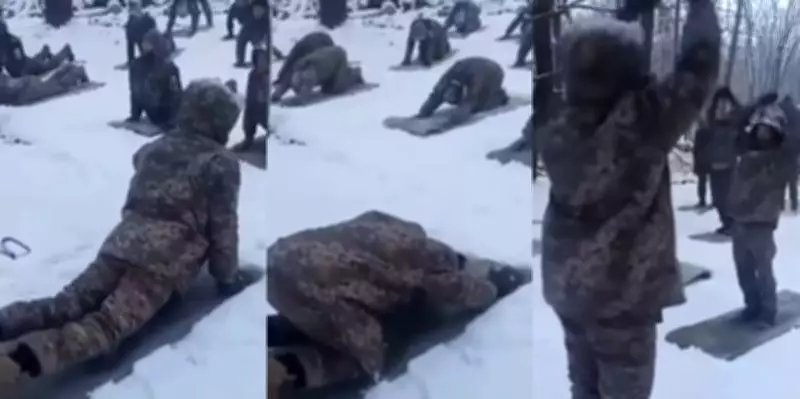
Ukrainian Soldiers Turn to Yoga on Winter Frontlines for Strength and Calm
In a remarkable display of adaptability and self-care, Ukrainian soldiers stationed on the harsh winter frontlines have begun embracing yoga as a tool for mental and physical resilience. Amid the ongoing conflict, these troops are incorporating ancient yogic practices into their daily routines to combat stress, improve flexibility, and maintain focus in extreme conditions.
Yoga as a Strategic Tool for Military Endurance
The adoption of yoga by Ukrainian military personnel highlights a growing recognition of holistic wellness in combat zones. Soldiers report that yoga sessions, often conducted in makeshift shelters or open fields despite freezing temperatures, help them manage the psychological toll of war. Practices such as deep breathing, meditation, and asanas (postures) are being used to reduce anxiety, enhance sleep quality, and boost overall morale.
Physical Benefits in Harsh Environments: On the physical front, yoga aids soldiers in maintaining muscle strength and joint mobility, which are crucial for enduring long hours in defensive positions or during maneuvers. The cold winter months pose additional challenges, such as stiffness and fatigue, making yoga's focus on stretching and balance particularly valuable.

Community and Camaraderie Through Shared Practice
Beyond individual benefits, yoga has fostered a sense of community among the troops. Group sessions provide a rare opportunity for soldiers to connect in a non-combat setting, sharing moments of peace and mutual support. This camaraderie is vital for unit cohesion and emotional well-being, as noted by military psychologists observing the trend.
"God bless these heroes," remarked a local observer, capturing the admiration for soldiers who prioritize self-care amidst adversity. The phrase has resonated widely, symbolizing the resilience and humanity displayed by these warriors.
Global Context and Future Implications
This initiative reflects a broader shift in military training worldwide, where mental health and holistic fitness are gaining prominence. Similar programs have been implemented in other armed forces, but the Ukrainian adaptation under active combat conditions is particularly noteworthy. Experts suggest that such practices could set a precedent for future military wellness strategies, emphasizing the importance of psychological preparedness alongside physical training.
As the conflict continues, the integration of yoga into frontline routines underscores the soldiers' determination to not only survive but thrive. It serves as a testament to their innovative spirit and commitment to maintaining peak performance, both mentally and physically, in one of the world's most challenging environments.






