

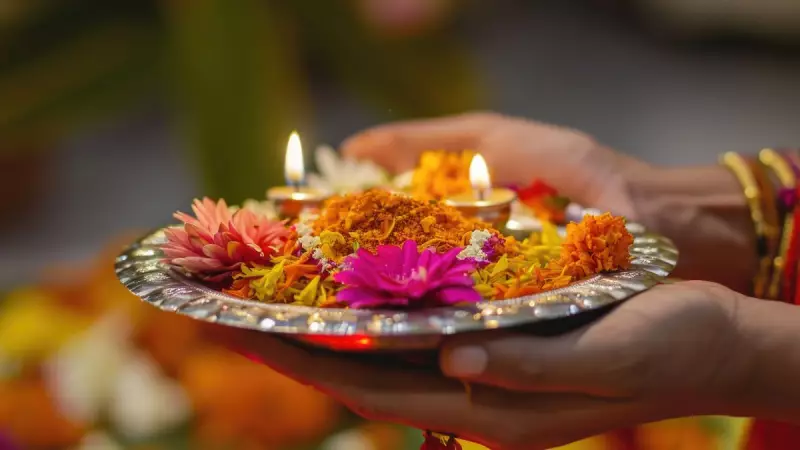
Gupt Navratri 2026 Commences with Ghatasthapana Ritual
Gupt Navratri 2026 begins today, marking the start of a secretive and powerful nine-day Hindu festival. This event holds deep spiritual importance for devotees across India. The festival focuses on worshipping the divine feminine energy in a discreet manner. Many people observe it to seek blessings for hidden desires and personal growth.
Ghatasthapana Timings for 2026
The Ghatasthapana ritual, which inaugurates Gupt Navratri, has specific auspicious timings in 2026. Devotees must perform this ceremony during the Abhijit Muhurat for maximum spiritual benefits. The exact time window falls in the early morning hours. It is crucial to follow these timings precisely to ensure the ritual's effectiveness. Families often gather to set up the Kalash or sacred pot at this designated time.
Priests recommend consulting local Panchang or astrological calendars for precise timings in your city. The ritual involves sowing barley seeds in a pot, symbolizing growth and prosperity. This act sets the tone for the entire nine-day observance. Many people believe that proper timing enhances the connection with divine energies.

Significance of Gupt Navratri
Gupt Navratri carries immense spiritual significance in Hindu tradition. The term "Gupt" means secret or hidden, reflecting the festival's discreet nature. Unlike the more popular Chaitra and Sharad Navratris, this observance remains less publicized. It primarily involves tantric practices and meditative worship. Devotees aim to harness subtle cosmic energies during this period.
The festival honors Goddess Durga and her nine forms in a private setting. It is believed to fulfill concealed wishes and resolve unseen problems. Spiritual seekers use this time for intense sadhana or spiritual practice. The emphasis lies on inner transformation and personal enlightenment. Many followers report experiencing profound peace and clarity during Gupt Navratri.
Who Should Observe Gupt Navratri?
Gupt Navratri is particularly recommended for specific groups of people. Spiritual aspirants and tantric practitioners often observe it rigorously. Individuals facing hidden obstacles or seeking solutions to confidential issues may also participate. Those interested in advanced meditation and mantra chanting find this period highly beneficial.
Here is a list of people who might consider observing Gupt Navratri:
- Devotees engaged in tantric or esoteric spiritual practices.
- Individuals with unfulfilled desires or personal challenges.
- Spiritual seekers aiming for deeper meditation experiences.
- People looking to enhance their intuitive abilities.
It is advisable to follow traditional guidelines and possibly consult a knowledgeable priest. Observance typically involves fasting, prayer, and specific rituals daily. The festival encourages introspection and spiritual discipline. Participants often maintain silence or limit social interactions to focus on worship.
How to Observe Gupt Navratri
Observing Gupt Navratri requires dedication and adherence to certain practices. Devotees usually begin with the Ghatasthapana ritual at the auspicious time. Daily worship includes offering flowers, incense, and prayers to the Goddess. Many people observe a partial or complete fast during the nine days. Reading sacred texts and chanting mantras forms a core part of the observance.
Here are some common practices during Gupt Navratri:
- Perform Ghatasthapana at the designated muhurat.
- Maintain a sattvic diet and avoid non-vegetarian food.
- Chant Durga Saptashati or other relevant mantras daily.
- Meditate regularly to connect with divine energy.
- Conclude with a small prayer or havan on the ninth day.
The festival culminates with special prayers on the final day. Devotees believe that sincere observance brings protection, wisdom, and fulfillment. It is a time for personal spiritual renewal and seeking divine grace in a quiet, focused manner.






