Winter Food Myths for Kids: What Parents Need to Know
As a child nutritionist, I hear from parents every single day. They ask me about winter foods for their little ones. Questions pour in about what to avoid when the temperature drops. "My baby can't have banana during winter, right?" or "My baby has a cold, so I can't offer yogurt." These concerns pop up all the time.
Parents often get this advice from well-meaning friends and family. Everyone wants the best for the child. But it is crucial to examine these statements closely. We must understand the real science behind them. Many of these ideas turn out to be myths. Following them can restrict kids from foods that actually boost their strength in winter.
Let's clear up some common misconceptions today. You can then offer these foods to your child with full confidence. No more second-guessing yourself.

Myth 1: Banana Causes Cold and Cough in Winter
Many people claim that bananas are "cold" in nature. They say the fruit can increase mucus production. Since children get sick more often in winter, they argue for a complete ban. What is the truth here? Science does not support this belief at all.
Colds come from viruses, not from eating a piece of fruit. Bananas are actually packed with good stuff. They contain vitamin C, vitamin B6, potassium, and fiber. These nutrients support your child's hydration, energy levels, and gut health.
For kids, adding a banana to pancakes or porridge is perfectly safe. You can even offer it plain. This holds true all year round. If your child does fall sick, you can still give banana in moderation. It is especially fine if that's the only food they want to eat.
Myth 2: Yogurt Causes Phlegm and Should Be Avoided
This is another frequent concern I encounter. Parents say, "My child is unwell, so I won't offer anything cold like yogurt." The reality is quite different. It is totally safe to offer yogurt when your child is sick.
Just serve it at room temperature instead of straight from the fridge. When a child has a cold, the body produces extra mucus naturally. This helps fight the infection. The mucus does not come from eating yogurt.
In fact, yogurt acts as a superfood for sick kids. It contains probiotic strains that strengthen the gut. Remember, about 70% of our immune system resides in the gut. Research shows probiotics can shorten respiratory illnesses in children. They can also reduce the severity.
Yogurt is a rich source of calcium, vitamin B12, and protein too. A comforting meal like curd rice with ghee, turmeric, and cumin works wonders when children feel unwell.
Myth 3: Cold Drinks and Ice Cream Cause Sore Throat or Flu
Many parents ban all cold items during winter. They fear the food's temperature will invite illness. If your child catches a cold, it is due to exposure to germs from others. Cold foods might briefly tighten blood vessels in the throat. However, this does not cause an infection.
If your child has a sensitive throat, warmer foods can provide soothing relief. But there is no need to avoid cold items completely when the child is perfectly healthy.
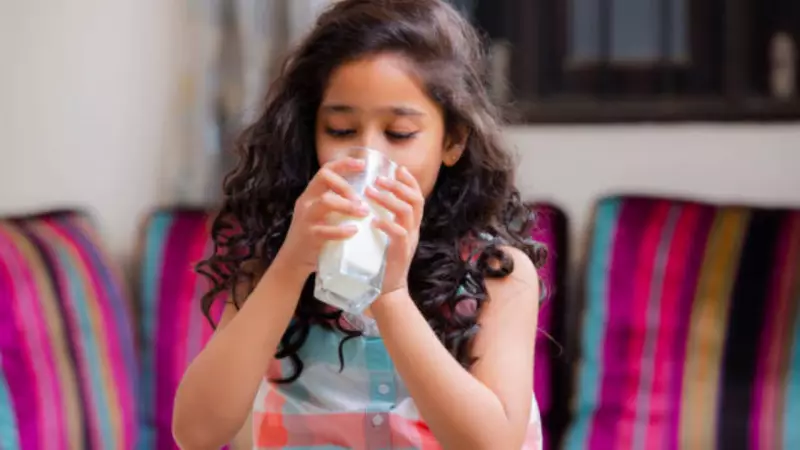
Myth 4: Don't Offer Milk When Child Is Not Well
Do not withhold dairy simply because your child is sick. Milk provides essential nutrients like calcium and vitamin D. These are vital for your child's growth. Milk can also help with hydration, which is crucial during illness.
Experts debate whether dairy products increase nasal congestion. There is no conclusive evidence either way. So, you do not have to eliminate milk based on unproven fears.
The bottom line? Let go of these unnecessary fears. Trust your parental instincts. Observe what makes your child feel better and stick with that.
About the Author
Sanchita Daswani is a Child Nutritionist. She helps parents worldwide provide nutritious meals. Her work focuses on building good eating habits in kids. By creating the right environment with balanced meals, we help children develop a positive relationship with food.
She is an Indian mom, born and raised in the Caribbean. She currently lives in Hong Kong, raising her twins. Sanchita realized early that the first few years set a strong foundation for future health and nutrition.

Introducing solids to her own babies felt daunting. With so much information available, it was hard to navigate. This personal experience led her to expand her knowledge. She became a Certified Nutrition Consultant to guide other parents.