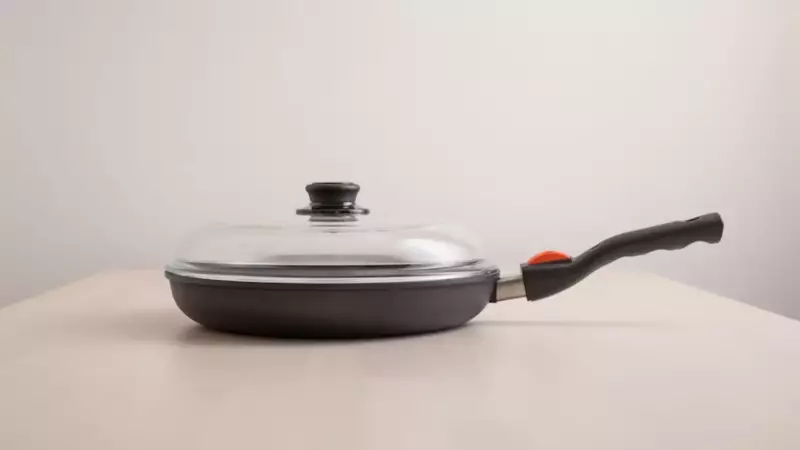
For decades, non-stick cookware has been a staple in kitchens across India, prized for its convenience and easy cleanup. However, growing evidence suggests that the very feature that makes these pans so popular—their slick, chemical coating—may come with significant health risks. From the release of toxic fumes to the potential leaching of harmful chemicals into food, the safety of non-stick pans is under scrutiny.
The Chemical Culprit: Understanding PFOA and PTFE
At the heart of most traditional non-stick pans is a synthetic polymer called polytetrafluoroethylene (PTFE), commonly known by the brand name Teflon. The manufacturing process of PTFE historically involved perfluorooctanoic acid (PFOA), a chemical now globally recognized as a persistent environmental pollutant and a likely human carcinogen.
Although major manufacturers have phased out PFOA since 2013 under a US EPA stewardship program, concerns about the safety of the coatings themselves and the compounds that may have replaced PFOA remain. When non-stick pans are overheated, typically above 260°C (500°F), the PTFE coating begins to deteriorate and release toxic fumes. These fumes can cause polymer fume fever in humans, a condition with flu-like symptoms such as chills, headache, and fever, and can be fatal to pet birds.
How Scratches and Damage Amplify the Danger
The risks associated with non-stick cookware are not limited to high-heat cooking. Everyday wear and tear significantly increase the potential for harm. Using metal utensils, stacking pans, or abrasive scouring pads can create scratches and chips in the delicate coating.
Once compromised, these scratches become sites where the chemical coating can flake off directly into your food. More importantly, the damaged coating is more likely to break down and release particles and gases at lower temperatures. This means that a scratched pan poses a continuous, low-level exposure risk even during normal cooking procedures like sautéing or making omelets. The degraded coating also loses its non-stick properties, defeating its primary purpose.
Safer Alternatives for the Health-Conscious Kitchen
Given these risks, many health experts and chefs are advocating for a return to traditional, inert cookware materials. These alternatives, while sometimes requiring more maintenance, offer durability and safety.
Cast iron is a superb option; when properly seasoned, it develops a natural non-stick surface and can even leach beneficial iron into food. Stainless steel is durable, non-reactive, and excellent for high-heat searing and browning. For those seeking a lighter option, high-quality ceramic-coated cookware uses a sand-based, mineral coating that is generally free of PTFE and PFOA, though its longevity can vary. Finally, carbon steel pans offer many benefits of cast iron but are lighter and easier to handle.
If you continue to use non-stick pans, adopting certain safety practices is crucial. Never preheat an empty pan, as it can reach dangerous temperatures in minutes. Always use low to medium heat settings. Reserve these pans for delicate tasks like cooking eggs or fish, not for high-heat frying. Use only wooden, silicone, or nylon utensils to prevent scratching. Most importantly, discard any pan that shows significant scratching, chipping, or peeling of its coating immediately. The convenience is not worth the potential long-term health cost.
The choice of cookware is a fundamental aspect of kitchen safety. By understanding the risks associated with damaged or overheated non-stick coatings and opting for safer, more durable materials, you can protect your family's health while still enjoying the art of cooking. Making an informed switch is a simple yet powerful step towards a healthier home.