In the grand theatre of the animal kingdom, reproduction is often celebrated as the ultimate act of survival. Yet, for a select group of species, this very act of creating life marks the abrupt end of their own. These creatures engage in mating rituals that are fatal, a phenomenon that challenges our human-centric view of self-preservation.
The Ultimate Sacrifice: Three Species That Mate to Die
This extreme behaviour is not a random glitch but a calculated evolutionary strategy. Dr Deepraj Prajapati, a senior veterinarian at RD Pet Hospital in Ambedkar Nagar, highlights three well-documented examples where reproduction leads to death. "Three of the most well-documented examples are male antechinus, praying mantises, and certain species of octopus," he states.
First, consider the male antechinus, a small marsupial native to Australia. During its brief, frenzied breeding season, males engage in marathon mating sessions that can last for hours. This extreme exertion triggers a catastrophic surge in stress hormones like cortisol. The result is a suppressed immune system, internal bleeding, and multiple organ failures, leading to the male's death within weeks.
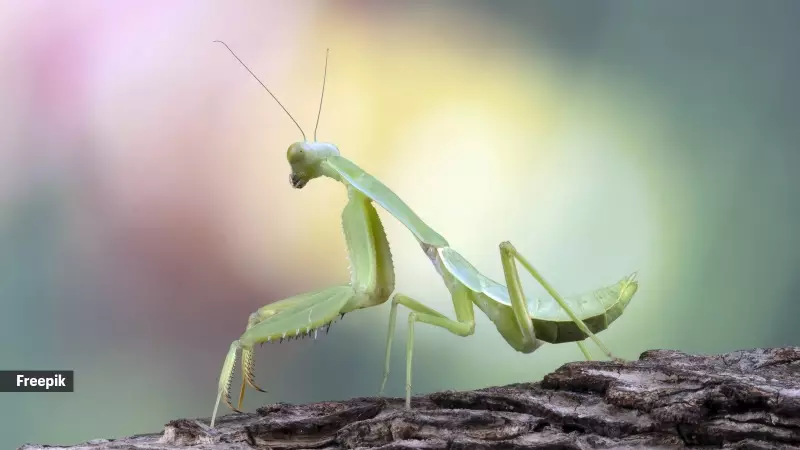
Second, the dramatic case of the praying mantis. Here, the female sometimes cannibalises the male during or immediately after copulation. While not a universal rule, this act provides a direct nutritional boost to the female. "The male’s body provides a direct nutritional benefit to the female, improving egg development and survival," explains Dr Prajapati, turning the male into a living, and then dying, nutrient package for his offspring.
Third, the intelligent octopus. In several species, particularly those in the deep sea, males die shortly after transferring their sperm packet. The females, in a parallel act of sacrifice, enter a state of reproductive senescence. They stop eating entirely to guard their eggs until they, too, perish, driven by irreversible hormonal changes.
Evolution's Cold Calculus: Why Death Can Be Advantageous
From a human perspective, this seems like a tragic loss. But evolution operates on a different ledger, where gene propagation trumps individual longevity. Dr Prajapati clarifies this counterintuitive logic. "From an evolutionary standpoint, survival only matters insofar as it enables reproduction," he notes.
For species with a single, short reproductive window—often due to harsh environments, high predation, or seasonal constraints—natural selection favours an "all-in" strategy. Investing every ounce of energy into one successful mating event, even if it proves fatal, is more advantageous than conserving energy for a future that may never come. "Evolution does not select for longevity, but for genes that successfully pass to the next generation," the expert adds.
Environmental Pressures That Demand Extreme Measures
What pushes a species toward such a high-stakes reproductive model? Dr Prajapati points to a confluence of environmental and social factors. These include intense male-male competition, skewed sex ratios, highly seasonal breeding cycles, and alarmingly high juvenile mortality rates.
"In environments where mating opportunities are rare or limited to a short season, individuals that delay or conserve energy risk missing reproduction entirely," he explains. The pressure is further amplified by social dynamics like female choice, pushing males to expend maximum effort in a single, definitive act.
The brutal efficiency of this strategy lies in its outcomes: prolonged mating ensures greater sperm transfer, cannibalism provides direct nutrients for the eggs, and programmed death frees up resources for the next generation. "Even though the individual dies, the genes benefit from higher chances of fertilisation and stronger offspring survival. In evolutionary terms, the success of the lineage outweighs the survival of the individual," Dr Prajapati concludes.
This fascinating, if grim, aspect of nature reminds us that life's imperative is not merely to survive, but to successfully pass on the blueprint for life, sometimes at the ultimate cost.