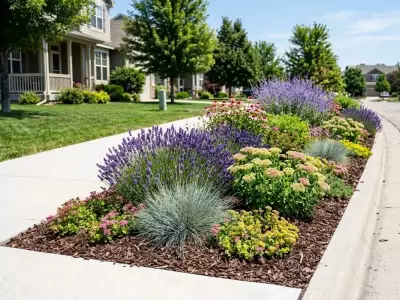
Adding too many plants to your garden border can make it appear overcrowded and hectic. While some property owners choose to fill empty spaces by introducing more varieties of plants, this practice might not be effective based on insights offered by landscaping professionals. Repeating plants in a border creates an impression of rhythm and makes the entire space look harmonious and professional.
The Concept of Repetition in Garden Design
The idea behind repetition is not about planting identical plants in every location in the garden. Rather, this principle involves creating a rhythm through similar hues, forms, or textures. Repetition is a fundamental concept of garden design, according to the University of Pennsylvania State Extension Office. This technique enables unification and continuity in the landscape.
Why Repetition Works for Borders
An unbalanced garden border full of different plants may look chaotic, particularly from afar. Repetition provides structure within the planting and connects various areas. Most landscapers repeat either the same type of plant or flower form multiple times within the border rather than isolating individual plants. This is especially critical for front-yard gardens, which are viewed from the street or sidewalk, making borders clear at a distance through repeating elements. Additionally, experts claim that repetition is effective even when blooms are not flowering. Texture, leaf shapes, and heights of plants can create consistency throughout the border.

How Many Repeats Are Sufficient?
Many small or medium-sized garden beds do not require hundreds of repeated plants. Typically, repeating a particular species about three to five times suffices to achieve visual harmony. Where these repeats are planted matters more than strict symmetry. The main goal is to provide balance. One tip from gardeners is to first select an anchor plant that defines a particular garden bed. Anchor plants include shrubs, grasses, and other perennials. Other plants are usually chosen based on these anchors. According to the Royal Horticulture Society, gardeners should choose plants based on their growing requirements and maturation, not just on bloom colors.
Where to Repeat Color, Height, and Texture
While color is usually noticed first, texture often makes the strongest impression over time. By repeating feathery foliage, round shrubs, or vertical flower spikes, you direct the gaze of visitors around the garden bed naturally. Repetition of height is also necessary for a balanced design. A single tall element might spoil an otherwise harmonious composition. By repeating heights periodically, you achieve a nice flow of visual lines from front to back. It is also suggested to connect the front and back parts of the garden border using some type of repetition, such as the same color, leaf shape, or similar textures.
Why Isolated Elements Are Often Disastrous
One of the most frequent problems is trying to fill all available spaces with new and unusual plants. While uniqueness may add character, excessive diversity can cause confusion and create a wrong impression about a border design. Overcrowding is also a problem, as some plants tend to get wider after a couple of seasons. As a result, nicely designed repetitions can get lost in a sea of green. As reported by the University of Minnesota Extension Service, good spacing contributes to a more attractive composition and helps maintain plant health.
How to Achieve the Look of a Finished Border
It takes only a few key ingredients to create an effective, completed border design. Mulch, trimmable edging, and evergreen plantings are common strategies used to add continuity to annual and flowering plants. Successful designs do not lose legibility when their flowers disappear. Consistent green foliage and structure keep the border interesting throughout the hottest months of the year. This does not imply that the garden must be formal. It simply means that using repetition creates a space that makes sense to the observer. Often, it is better to edit and redesign existing plantings than to add new ones.