

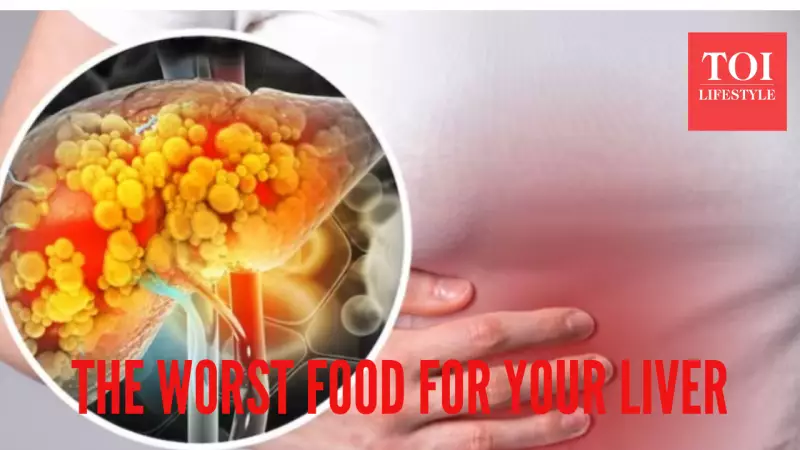
When considering liver health, most people immediately point to alcohol, fried snacks, and junk food as the main culprits. While these are indeed harmful, a metabolic health educator has highlighted a more pervasive and dangerous threat hiding in plain sight: fructose.
The Hidden Danger in Your Glass
Karen Patino Ramirez, a Metabolic Health Educator, recently used Instagram to alert the public about the severe impact of fructose on the liver. She explained that fructose is uniquely damaging because the liver processes almost 100% of it, and it converts into fat with alarming ease. This is especially true when the fructose comes from liquid sources like sugary beverages and processed foods.
While excessive consumption of meat and natural fats can harm the liver, fructose-driven fat accumulation and inflammation are now appearing even in individuals who do not consume alcohol and are not significantly overweight. This shifts the blame from traditional suspects to a more common dietary component.

How Fructose Overwhelms Your Liver
The human body relies on glucose as its primary cellular fuel. Fructose, however, is metabolized almost exclusively by the liver. When a large amount of fructose is consumed in one sitting, the liver initiates a process called de novo lipogenesis – literally, the creation of new fat.
This leads directly to fat buildup in the liver, which is the first step toward developing Non-Alcoholic Fatty Liver Disease (NAFLD). Scientific research shows that fructose metabolism depletes cellular energy (ATP), increases uric acid production, and blocks the breakdown of existing liver fat. This combination creates a perfect storm for fat accumulation and inflammation.
Contrary to popular belief, red meat and dietary fat are not the primary drivers of this modern epidemic. When you consume fat or protein, the body does not funnel it all through the liver as rapidly as it does with the liquid fructose found in colas, packaged juices, and sweetened teas. Controlled feeding studies confirm that fructose causes more liver fat accumulation than complex carbohydrates, even when total calorie intake remains the same.
Sugary Drinks: A Silent Liver Bomb
Ramirez identifies sugar-sweetened beverages as the most dangerous delivery system for fructose. These drinks, loaded with sucrose or high-fructose corn syrup, allow for the rapid consumption of large fructose doses without any fiber to slow absorption.
Large-scale population studies consistently link regular consumption of these drinks to fatty liver disease and elevated liver enzymes. Crucially, this risk persists even after accounting for body weight, indicating an independent effect. One telling trial found that overweight adults who drank one litre of sucrose-sweetened soda daily for six months saw a significantly greater increase in liver fat compared to those drinking the same amount of diet soda, milk, or water.
Reversing the Damage Is Possible
The good news is that reducing fructose intake can lead to rapid improvements in liver health, independent of weight loss. Research involving obese children with high sugar consumption showed that replacing dietary sugar with starch for just nine days resulted in a dramatic reduction in liver fat and fat production.
Meta-analyses reinforce that consuming fructose-sweetened beverages beyond one's caloric needs increases liver fat and ALT enzyme levels. The metabolic damage can be reversed by cutting down sugar. Simple, specific swaps—like replacing soda with water or opting for unsweetened tea and black coffee—can yield significant liver benefits.
It is vital to distinguish between harmful and harmless sources of fructose. Whole fruits are not the problem. The natural fiber, water, and antioxidants in fruit slow fructose absorption and reduce the liver's burden. Most research finds no link between whole fruit consumption and increased NAFLD risk.

The real danger lies in the rapidly absorbed, industrially added fructose found in table sugar, high-fructose corn syrup, sweetened drinks, and desserts. This form overloads the liver beyond its capacity, setting the stage for disease. As NAFLD becomes the most common chronic liver condition globally, its rise parallels increased intake of these added sugars, making dietary awareness more critical than ever.





