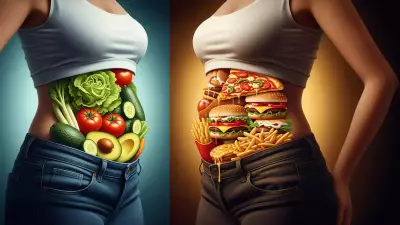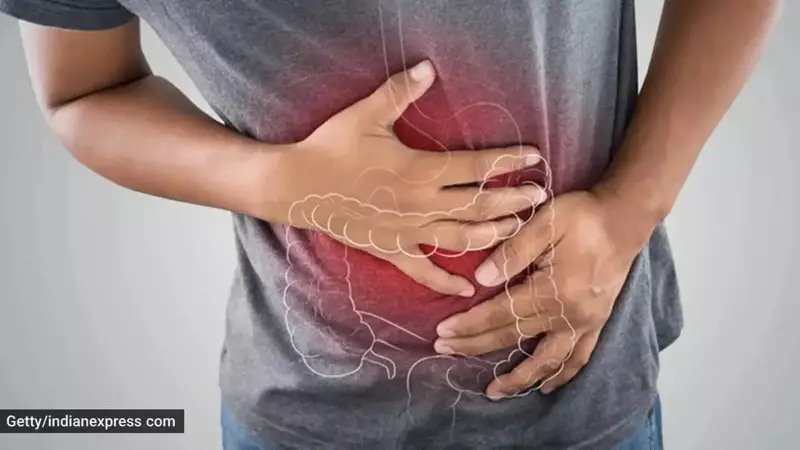
In a striking revelation that challenges common dietary advice, health experts warn that consuming fibre during a gut flare-up can be severely counterproductive, likening it to rubbing sandpaper on an open wound. This insight, shared by gut and hormonal coach Davida Syne and verified by a leading gastroenterologist, underscores a critical nuance in managing digestive health.
The Sandpaper Effect: Why Fibre Hurts an Inflamed Gut
Davida Syne, a gut and hormonal coach, highlighted this concern in a detailed Instagram post on January 12, 2026. She explained that for individuals struggling with gut issues, eating fibre is not a remedy but an irritant. "When your mucosa is inflamed and your motility is sluggish, fibre sits, ferments....hello BLOATING, GAS and CONSTIPATION!" she stated. The tragic irony, she notes, is that people often increase fibre intake unknowingly, exacerbating the very condition their gut is begging them to pause.
Echoing this view, Dr. Saiprasad Girish Lad, Consultant Gastroenterologist, Hepatologist, and Therapeutic GI Endoscopist at Wockhardt Hospitals, Mumbai Central, provided medical validation. He confirmed that when the intestinal lining is irritated and movement slows down, indigestible fibre lingers. "It ferments, builds gas, and puts pressure on the irritated intestinal walls," Dr. Lad said. This process is why increasing salads, lentils, or other high-fibre foods can make symptoms like cramps and bloating worse during an inflammatory phase.
Healing First: The Right Approach During a Flare-Up
So, what is the correct course of action? According to Dr. Lad, the immediate step is often to reduce or pause fibre intake. "When the digestive lining gets a break from rough textures and fermentation, swelling reduces and movement slowly improves," he explained. The strategy is not to avoid fibre forever but to allow the gut to heal first, much like letting a wound close before subjecting it to friction.
During this sensitive phase, Dr. Lad recommends focusing on gentle nutrition. Surprisingly, healthy fats and adequate salt play a supportive role. Healthy fats like ghee, olive oil, nuts, or seeds help lubricate the intestines and encourage smoother bowel movements. Meanwhile, salt supports crucial hydration within the gut, which aids digestion. Many individuals, especially women mindful of weight, tend to limit fat, but incorporating healthy fats can aid digestion, metabolism, and hormonal balance.
Long-Term Strategy for a Resilient Gut
The ultimate goal, Dr. Lad emphasises, is to create an environment where digestion functions smoothly again. This involves a holistic approach beyond diet. "This comes from balanced meals, consistent routines, stress management, and foods that the body can digest easily," he advised. Fibre remains a vital component of a healthy diet, but its reintroduction must be gradual and only after the gut lining has stabilised.
For those with gut sensitivity, the first step is identifying personal triggers, which could include raw foods, heavy meals, or irregular eating patterns. A short period of eating gentler, cooked foods, staying hydrated, and including moderate fats can help restore normal gut motility. Once symptoms like gas reduce and the gut feels calmer, soft, cooked, and easy-to-digest fibre sources can be slowly reintroduced.
This expert guidance clarifies that blanket advice to "eat more fibre" is not universal. For millions dealing with conditions like IBS or gut inflammation, listening to the body and adopting a phased, healing-first approach is key to long-term digestive wellness.