Chinese Woman's Life Shattered After Vitiligo Diagnosis Leads to Divorce
Imagine waking up one morning to discover your hair has turned completely white overnight, then watching your entire life unravel because of this physical change. This heartbreaking scenario became reality for Li, a 36-year-old woman from Shangqiu in China's Henan province, whose story has captured global attention and sparked conversations about illness, marriage, and societal acceptance.
Sixteen Years of Marriage Ends Over Hair Loss
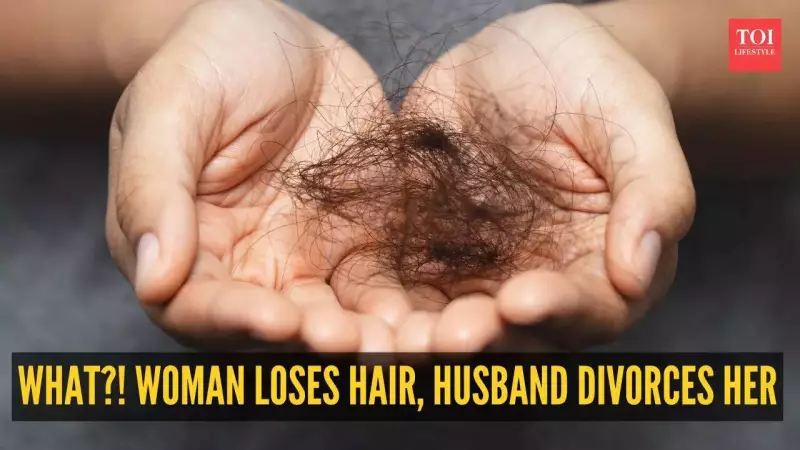
After sixteen years of marriage, Li's husband filed for divorce, citing her hair loss and changing appearance as the primary reason for ending their relationship. According to reports from the South China Morning Post, the husband claimed her baldness became the breaking point in their marriage. Li's story, shared widely on social media platforms, has gone viral, drawing waves of sympathy for a devoted wife and mother now facing life alone.
Li described dedicating herself completely to her family – preparing daily meals, handling laundry, and caring for their child. However, two years ago, her life took a dramatic turn when she began experiencing significant hair loss, developing large patches of white and thinning hair. Medical consultation revealed she had developed vitiligo, a chronic autoimmune disorder that causes loss of skin pigment in patches across the body, hair, and mucous membranes.

The Medical Reality of Vitiligo
Medical experts explain that vitiligo affects between 0.5% to 2% of people worldwide, often striking without warning. The condition transformed Li's appearance dramatically over two years, making her look decades older than her actual age. This physical change triggered cruel reactions from her community, with neighborhood children taunting her as "Qiu Qianchi," referencing the ghostly white-haired villain from the classic television drama 'The Romance of the Condor Heroes.'
While the mockery from children was painful, nothing compared to the emotional abandonment from her husband. He refused to support her during hospital visits, declined to cover medical expenses, and avoided family gatherings, particularly those involving Li, claiming her appearance would damage his social reputation.
Emotional Abandonment and Legal Consequences
Li describes her husband's behavior as ruthless, noting she had never experienced such harshness during their years together. Feeling depressed and isolated, she turned to media outlets hoping to expose the injustice she faced. After growing emotional distance and apathy from her spouse, she reluctantly agreed to the divorce he proposed. In a further devastating blow, the husband won custody of their child in the settlement. The husband has not publicly responded to Li's claims about their relationship breakdown.
Medical Perspective on Vitiligo Management
Senior doctor Lu Manchun from Zhengzhou Leucoderma Hospital explains that vitiligo can appear anywhere on the body. In Li's case, the condition began mildly on her scalp but progressively worsened, potentially exacerbated by the stress and emotional turmoil it created. "A positive mindset and good mood are crucial for managing vitiligo," Dr. Lu emphasizes, highlighting how emotional well-being directly impacts physical healing processes.
Broader Societal Implications
Li's situation reveals deeper issues regarding how visible illnesses affect personal relationships and social acceptance. On social media platforms, users have rallied with messages of support, sharing personal stories of resilience against discrimination. One commenter noted, "Beauty fades, but character endures—true love doesn't abandon someone over hair changes." Medical professionals emphasize that vitiligo is neither contagious nor a personal choice, but rather a medical condition requiring empathy rather than abandonment.
For Li, the path forward appears lonely, yet her courage in sharing her story has inspired many. Her experience serves as a powerful reminder that genuine strength often emerges from vulnerability, and that simple kindness costs nothing but can mean everything to those facing health challenges and social stigma.