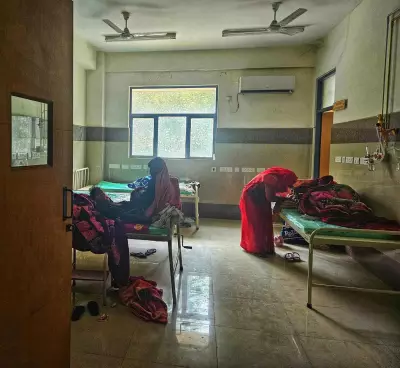
The festive season of Christmas brings families together like no other time of the year. It is a period marked by shared stories, delicious food, and the warm sound of laughter echoing through homes. Beyond the celebrations, this gathering presents a golden, often missed, opportunity for something profoundly important: meaningful conversations about health and well-being. These are not discussions driven by fear or delivered as lectures, but gentle exchanges rooted in care, honesty, and a shared vision for a healthier future for every family member.
Turning Family Stories into Health Knowledge
Every family carries a tapestry of health stories, often mentioned in fragments. Perhaps an uncle had a heart condition, or a grandmother managed diabetes. These pieces of information hold more power than we often realise. Discussing which relative had what illness and at what age they were diagnosed can be a critical tool for others. It helps individuals recognise early warning signs in themselves and allows doctors to make more informed decisions later. This simple act of sharing transforms casual anecdotes into valuable, potentially life-saving knowledge, creating a family health map that benefits everyone.
Checking In on Mental and Emotional Well-being
Festive smiles can sometimes mask underlying stress, grief, or burnout. Christmas provides a safe, loving environment to gently check in on each other's mental and emotional state. Moving beyond a simple "Are you fine?" to ask about sleep patterns, mood fluctuations, or sources of emotional pressure can open doors to support. Asking who feels overwhelmed and why builds immense trust and reinforces that mental health is not a weakness. It is an integral component of overall health, as crucial as monitoring blood pressure or sugar levels, and deserves the same attention and care.

Addressing Daily Habits and Emergency Preparedness
The routines of daily life—late nights, excessive screen time, irregular meals, and lack of physical movement—silently shape our long-term health. A non-judgmental conversation about daily patterns can help families identify these trends. Who has stopped walking regularly? Who relies mostly on meals from outside? This talk is not about assigning blame but about collectively noticing small habits that quietly influence future wellness.
Similarly, few families discuss emergency preparedness until a crisis strikes. Using the Christmas gathering to share basics like emergency contacts, insurance details, and preferred hospitals is an act of responsibility, not pessimism. It builds a layer of security and offers peace of mind, knowing the family is prepared to act cohesively if the unexpected occurs. Additionally, a calm discussion about the medications and supplements each person is taking can prevent dangerous mix-ups and forgotten doses, which is especially vital for elder family members.
Finally, while family recipes are treasured heirlooms of love, they can sometimes be high in salt, sugar, or oil. A respectful dialogue about digestion, weight changes, or food intolerances can lead to small, healthy tweaks that allow traditions to be enjoyed for longer, without discomfort. Normalising conversations about preventive tests, like blood sugar checks or routine scans, shifts the family focus from treating illness to proactively staying ahead of it.
Disclaimer: This article is intended for general awareness purposes only and is not a substitute for professional medical advice. Always consult a qualified healthcare provider for personal health concerns, diagnoses, or treatment decisions.