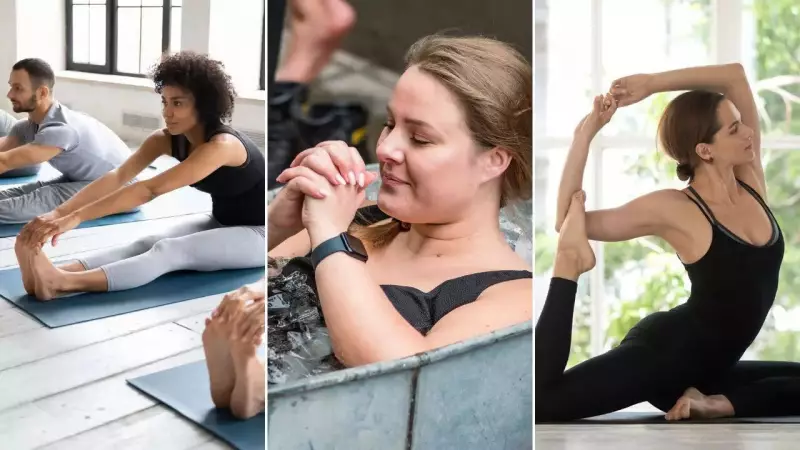
For a growing segment of urban professionals across metropolitan centers, weekends are undergoing a profound transformation. The traditional pursuits of bottomless mimosa brunches and binge-watching marathons are steadily being replaced by deliberate, slow-living practices. Activities such as sound baths, slow yoga flows, ice plunges, breathwork circles, and guided meditation sessions are becoming central to weekend routines.
The Shift Toward Intentional Rest
This movement signals a deeper cultural change where rest is no longer accidental but intentionally cultivated. What drives this evolution is not merely burnout but a heightened awareness of physiological and psychological well-being. Individuals are increasingly informed about cortisol levels, nervous system regulation, and the long-term impacts of chronic stress.
A weekend yoga or meditation session is no longer viewed as an indulgence; it is now framed as essential maintenance. The body and mind are increasingly seen as systems that require regular, structured recovery to function optimally. Here is an exploration of the top activities that are redefining weekend wellness in urban India.

The Ice Plunge: Why Freezing Has Become the Hottest Wellness Trend
Once the domain of professional athletes and extreme wellness enthusiasts, ice plunges have firmly entered the mainstream. From boutique recovery studios to rooftop wellness clubs, cold immersion is now a regular feature of many weekend routines.
An ice plunge involves immersing the body in cold water—typically between 8°C and 15°C—for short durations ranging from 30 seconds to three minutes. The initial shock pushes the body into heightened awareness, pulling attention away from racing thoughts and anchoring it firmly in the present moment. For many first-timers, this intense focus offers a rare mental reset.
For Sumaiyah S, a 28-year-old tech professional, ice plunging has become a vital way to switch off. "By Friday, my mind is constantly racing—thinking about meetings and deadlines. The ice plunge on the weekend is the only thing that forces me to completely shut down. For those few minutes, I’m not thinking about work or notifications, just my breath and the cold," she explains.
She adds that while the experience is uncomfortable, the effects linger. "I come out feeling lighter, sharper, and strangely calmer. I first tried it during a vacation in Dubai last year. When I found out there were wellness centres in Bengaluru offering it, I started going at least twice a month. It’s become my way of resetting before the week begins again."
Sound Baths: When Rest Becomes an Immersive Experience
Sound baths have moved from the fringes of alternative wellness into the heart of modern weekend rituals. Once associated with spiritual retreats and healing circles, they are now embraced by stressed professionals, creatives, and first-timers seeking a form of rest that requires neither effort nor endurance.
Unlike a concert or performance, a sound bath is entirely passive. Participants lie down—often with eye masks or blankets—while practitioners play instruments such as Tibetan singing bowls, gongs, chimes, crystal bowls, and low-frequency drums. The layered sounds and vibrations wash over the body, encouraging deep relaxation and a meditative state without the need to consciously 'do' anything.
Shriram V V, founder of Sound Meditation India, notes a growing uptake of sound baths among working professionals, particularly on weekends. "Most of us are constantly seeking alignment, but true alignment comes from within, not from external activity," he says. "Meditation offers pause, and sound baths are one of the most effortless and effective forms of it. By using resonant instruments, sound baths work on the entire body, activating its natural healing response."
He adds that people between the ages of 25 and 55 are increasingly turning to sound baths as part of their weekend reset. "Many in this age group are also decision-makers for their parents and children, and they often go on to recommend the practice to their families as well," he observes.

The Rise of the Slow Yoga Flow: Movement Without the Rush
As burnout becomes a shared urban experience, yoga practices are undergoing a significant transformation. Sweat-drenched, performance-driven classes are making way for something gentler. Slow yoga flows—often described as mindful vinyasa or restorative flow—are emerging as the preferred weekend practice for those seeking recovery rather than results.
Unlike high-intensity styles that prioritise speed and calorie burn, slow flows emphasise breath-led movement, longer holds, and smooth transitions. Poses are sequenced to support the nervous system, encouraging the body to shift from fight-or-flight into rest-and-digest mode. For people whose weekdays are dominated by deadlines, screens, and constant alerts, this kind of movement offers a rare physiological pause.
Vasantha Krishnamurthy, a teacher and theatre artist, says slow flow removes the pressure to perform. "My weekdays are spent staring at screens, teaching multiple classes for children, and dealing with constant stimulation. The slow yoga flow on weekends helps me undo all of that. Moving with my breath, without any expectation to push myself, feels incredibly grounding. I leave feeling more settled—not just in my body, but in my head too," she shares.
This collective shift toward intentional rest reflects a broader recognition of wellness as a non-negotiable aspect of modern urban life, reshaping how weekends are experienced and valued.