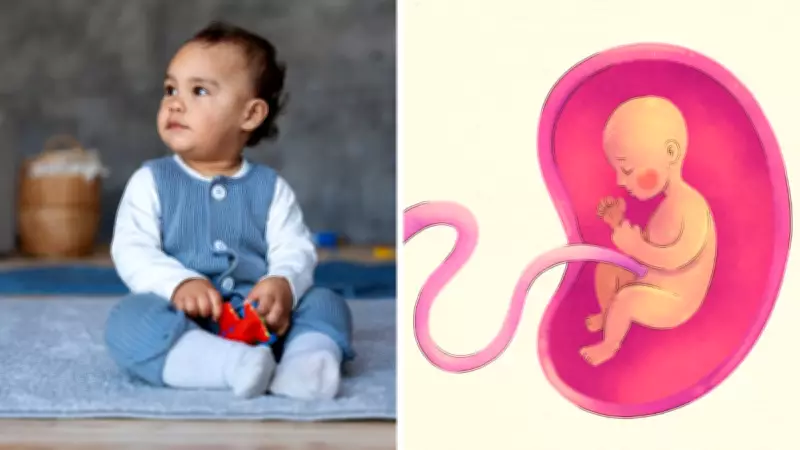
Why Preserving Umbilical Cord Can Be a Lifesaver for Your Baby's Health
In the journey of parenthood, safeguarding your child's health from the very beginning is a top priority. One often-overlooked yet potentially life-changing step is the preservation of the umbilical cord. This simple act, performed right after birth, can serve as a powerful health insurance policy for your baby's future.
The Science Behind Umbilical Cord Preservation
The umbilical cord is a rich source of stem cells, which are unique cells with the remarkable ability to develop into various types of cells in the body. These stem cells, particularly found in cord blood, are known for their regenerative properties. By preserving the cord, parents are essentially banking these valuable cells, which can be stored for years and used if needed.
Key benefits of umbilical cord preservation include:

- Treatment for Serious Diseases: Cord blood stem cells have been successfully used in treating conditions like leukemia, lymphoma, and certain genetic disorders. They offer a less invasive alternative to bone marrow transplants.
- Future Medical Advancements: As research progresses, these stem cells may become crucial in treating a wider range of ailments, including diabetes, heart disease, and neurological disorders.
- Family Health Security: Preserved cord blood can benefit not just the baby but also siblings or other family members if they are a genetic match, providing a shared resource for health emergencies.
How the Preservation Process Works
The process is straightforward and painless. After the baby is born and the cord is cut, the remaining blood in the cord and placenta is collected. This is done by a healthcare professional using a sterile kit. The collected sample is then sent to a cord blood bank, where it is processed, tested, and cryogenically frozen for long-term storage.
Parents have the option to choose between public and private cord blood banking. Public banks donate the cord blood for research or use by anyone in need, while private banks store it exclusively for the family's use, often involving a fee for collection and storage.
Why This Matters for Indian Families
In India, where healthcare challenges and genetic disorders are prevalent, umbilical cord preservation offers a proactive approach to health management. With rising awareness, more hospitals and clinics are providing this service, making it accessible to a broader population.
Considerations for parents:
- Discuss with your doctor early in pregnancy to understand the options and prepare for the procedure.
- Evaluate the costs and benefits of private versus public banking based on your family's health history and financial situation.
- Stay informed about the latest research and regulations in stem cell therapy to make an educated decision.
By preserving the umbilical cord, you are not just discarding a biological afterbirth but potentially saving a life. It's a small step that can have a monumental impact on your child's health journey, offering hope and healing in times of need.