A tree-based agriculture model promoted by Save Soil–Cauvery Calling has significantly raised farm incomes in the Cauvery basin, from approximately Rs 30,000 per acre to as much as Rs 2.5–3 lakh per acre, the movement announced on World Environment Day.
Economic solution to an ecological problem
"Tree-based agriculture is an economic solution to an ecological problem," said Anand Ethirajalu, project director of Save Soil–Cauvery Calling. He urged the government to introduce farmer-friendly policies and incentives to accelerate adoption of this model. The movement is accredited by the United Nations Convention to Combat Desertification (UNCCD) and the United Nations Environment Programme (UNEP).
Success story: Farmer Valluvan's transformation
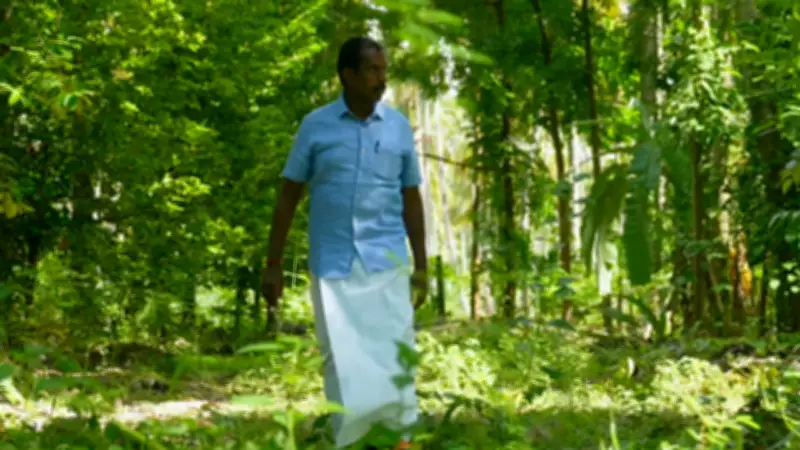
A prominent beneficiary, farmer Valluvan from Pollachi, converted a loss-making coconut monoculture into a diversified food forest in 2009. He now cultivates 13 species, including nutmeg, multiple banana varieties, fruit trees, areca nut, curry leaves, turmeric, and elephant yam. Valluvan reports that his annual earnings rose from about Rs 30,000 per acre to Rs 2.5–3 lakh per acre. His farm's soil organic carbon increased from roughly 0.52% to 3.36%, while coconut yields climbed from about 100 nuts per tree to nearly 160, and average nut weight rose from around 400 g to 550 g. Valluvan's regenerative practices—mulching, cover-cropping, and rainwater harvesting—helped his farm survive the 2017 drought and reduced erosion during heavy rains. His restoration work is documented in the UNCCD-WOCAT global database and certified by the Tamil Nadu Organic Certification Department. He now trains other farmers in the model.

Ambitious tree-planting goals
Save Soil–Cauvery Calling aims to plant 242 crore trees across farmlands in the Cauvery basin. To date, it has supported 2.6 lakh farmers and enabled the plantation of 13.4 crore trees. The movement operates Asia's largest single-site nursery in Cuddalore, managed by over 200 women, with a production capacity of 85 lakh saplings. A second nursery in Thiruvannamalai produces 15 lakh saplings.
Distribution and subsidies
Nurseries supply saplings through 45 distribution centres in Tamil Nadu and eight in Karnataka. Farmers can choose from 54 varieties, including 29 timber species such as teak, red sandalwood, rosewood, and mahogany. Timber saplings are subsidised at Rs 5, and fruit and flower saplings at Rs 10, said Tamizhmaran, operations lead.
Farmer support and training
More than 200 field executives visited over 26,500 farmlands in 2025 to provide free pre- and post-plantation consultations covering soil type, depth, water conditions, and species recommendations. The movement also runs 225 WhatsApp groups providing real-time support to over 60,000 farmers and a daily helpline from 9 am to 9 pm. In 2025, three mega training programmes reached over 14,000 farmers, with experts from institutions including IISR, IIHR, KFRI, ICFRE, TNAU, and the Central Ground Water Board.
Part of a broader movement
Save Soil–Cauvery Calling is part of the broader Save Soil movement, alongside Save Soil Regenerative Revolution (SS-RR) and the Save Soil Farmers Movement, which focus on regenerative farming training and organising Farmer Producer Organisations, respectively. As of March 31, 2026, SS-RR reported 532 training programmes reaching 40,311 farmers, 54,982 farmers added to WhatsApp advisory groups, 185 farmers completing three-month internships, and a digital library of 1,260 technical videos with 296 million views and 1.18 million subscribers.