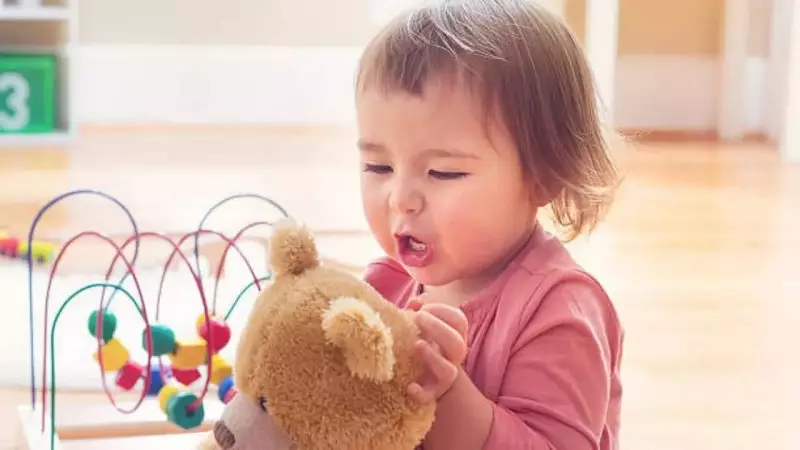
Have you ever watched your little one have an animated conversation with a stuffed animal, scold a toy car, or lovingly put a doll to sleep? This common sight in homes across India often brings a smile to parents' faces, but it can also spark curiosity. What does it truly mean when a toddler talks to their toys? Contrary to any worry, child development experts confirm this behaviour is not just normal but a vital and positive sign of a growing, creative mind.
More Than Just Play: The Developmental Benefits
When a child engages in these one-sided chats, they are doing far more than simply keeping themselves entertained. This form of pretend play is a complex exercise that builds multiple cognitive and social skills simultaneously. It is a safe space where they experiment with the world around them without any fear of judgment or failure.
A Flourishing Imagination at Work
The act of assigning voices, emotions, and personalities to inanimate objects is the first sign of a rapidly developing imagination. This pretend play allows toddlers to create their own narratives and scenarios. It's a secure method for them to rehearse real-life experiences, from daily routines like eating and sleeping to social concepts like sharing, caring, and resolving minor conflicts. Their toy becomes a patient participant in their evolving understanding of the world.

Building Language and Social Confidence
Conversations with toys provide a unique, pressure-free environment for practicing new vocabulary and sentence structures. Unlike interactions with adults or older children, a toy never interrupts, corrects, or rushes them. This freedom allows toddlers to repeat words, experiment with tones of voice they've overheard, and string together thoughts at their own pace. It's a foundational practice that builds fluency and confidence in communication.
Furthermore, this play is crucial for social and emotional learning. A toddler might comfort a crying teddy bear, express anger at a block that won't stack, or ask a toy car questions. Through these interactions, they begin to understand and process complex feelings like empathy, kindness, and frustration. They learn to articulate their own emotions by projecting them onto their toys, which is a key step in emotional regulation.
A Tool for Processing and Problem-Solving
Often, this play is a toddler's way of making sense of their day. You might hear them reenact a visit to the doctor, a meal time, or a trip to the park with their toys. This repetition helps them process and consolidate new experiences. By verbally walking their toy through an event, they are organising their thoughts and understanding cause and effect. It also becomes a form of problem-solving, where they think out loud about challenges, big or small, in a way they may not yet be able to do directly with caregivers.
As highlighted in the original article dated December 25, 2025, this stage is a normal and healthy developmental milestone. It signifies curiosity, creativity, and intellectual growth. These behaviours naturally evolve as the child grows older and their social world expands to include more peer interactions.
Instead of concern, parents and caregivers should view these tender conversations as evidence of a thriving mind. Engaging with your child during this play—by occasionally responding as the toy or showing interest—can further enrich this learning phase. So, the next time you see your toddler deep in discussion with their favourite action figure or doll, know that you are witnessing the beautiful, complex, and essential work of early childhood development.